Category: Lifestyle

  • How to Use Soft Textiles to Add Comfort

    How to Use Soft Textiles to Add Comfort

    I used to think that making a room feel “designer” meant dropping a small fortune on high-end furniture or following those overly curated, sterile Instagram feeds that look more like museums than actual homes. But honestly? Most of that stuff is just noise. I realized the real magic happens when you stop obsessing over expensive floor plans and start focusing on soft textile layers. There is a massive difference between a room that just looks “finished” and one that actually feels like a sanctuary, and usually, that gap is filled with nothing more than a well-placed throw or a heavy linen curtain.

    I’m not here to sell you on some complicated interior design theory or tell you that you need to redecorate your entire life. Instead, I’m going to share exactly how I use texture and weight to transform a cold, echoing room into something that feels lived-in and warm. We’re going to skip the fluff and get straight into the practical, hands-on ways you can layer fabrics to create depth without breaking the bank. Consider this your no-nonsense guide to making your space feel as good as it looks.

    Table of Contents

    Elevating Cozy Living Room Aesthetics

    Elevating cozy living room aesthetics with textures.

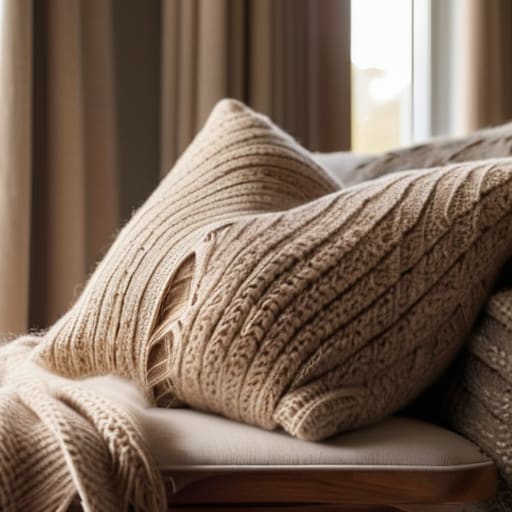
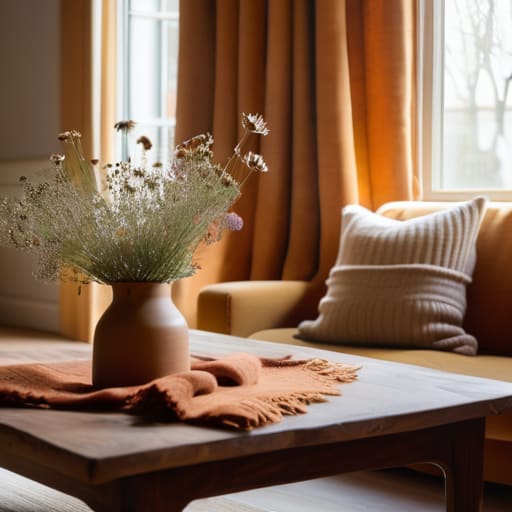
    If you want to move beyond just “functional” and into the realm of true cozy living room aesthetics, you have to start thinking about depth. It’s easy to throw a single throw blanket over a sofa and call it a day, but that usually ends up looking a bit flat. The real magic happens when you experiment with mixing fabric weights. Imagine pairing a heavy, chunky knit throw against a smooth linen cushion; that contrast creates an immediate sense of luxury and intention that a single texture just can’t achieve.

    To keep things from feeling cluttered or overwhelming, I’m a huge fan of sticking to neutral color palettes for textiles. When you work within a tight range of creams, sands, and soft greys, you can go wild with different textures without the room feeling chaotic. It allows the eye to wander across the different weaves and patterns naturally. Instead of a visual explosion, you get this soothing, layered look that feels curated rather than just “thrown together.” It’s all about finding that sweet spot where comfort meets high-end design.

    The Magic of Mixing Fabric Weights

    The Magic of Mixing Fabric Weights.

    If you’re feeling a bit overwhelmed by all the different textures and patterns out there, don’t sweat it—getting the balance right is a learning process. I actually found a ton of really practical design inspiration over at blogly that helped me figure out how to pair chunky knits with lighter linens without it looking messy. It’s definitely worth a quick browse if you want to see some real-world examples of how these layers come together in a finished room.

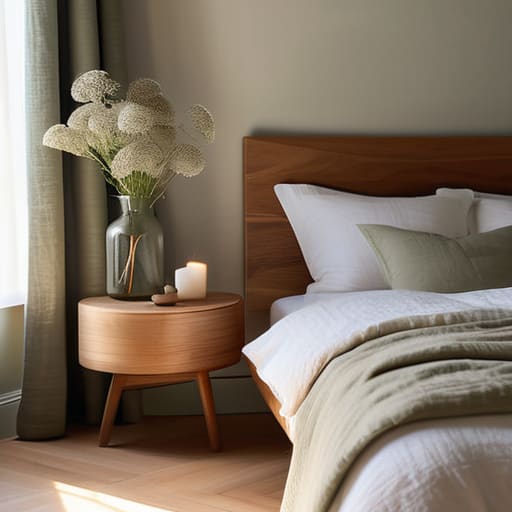
    If you’ve ever looked at a professionally styled room and wondered why it feels so “expensive” yet effortless, the secret is almost always in the depth. It’s not just about picking pretty colors; it’s about mixing fabric weights to create visual interest. When everything in a room has the same density—like a thin cotton sofa paired with light linen curtains—the space can end up feeling a bit flat or even sterile. To fix this, you want to play with contrast. Think about pairing a chunky, heavy-knit wool throw against a sleek, smooth velvet cushion. That tension between thick and thin is what makes a room feel curated rather than just “bought from a set.”

    This approach is one of those tactile home decor trends that actually makes a functional difference in how you live. By layering a heavy boucle pillow over a lightweight cotton slipcover, you’re adding shadows and textures that catch the light differently. It creates a sense of dimension that draws the eye around the room. Instead of a one-note environment, you’re building a multi-sensory experience that feels layered, intentional, and—most importantly—incredibly inviting.

    5 Quick Wins for a Layered Look

    • Don’t be afraid to play with textures. Throw a chunky knit throw over a smooth linen sofa to create instant visual interest.
    • Think about your color palette before you go overboard. Sticking to a cohesive color story keeps the layering from looking like a messy pile of laundry.
    • Use pillows to bridge the gap. Mix small, patterned lumbar pillows with larger, solid-colored ones to add depth to your seating.
    • Consider the season. Swap out heavy wool blankets for lightweight cotton weaves when the weather starts to warm up.
    • Scale matters. Mix different sizes of textiles—like a large area rug paired with smaller decorative floor cushions—to make the room feel lived-in and intentional.

    Quick Wins for a Cozier Space

    Don’t be afraid to play with textures; mixing a chunky knit throw with smooth linen pillows adds that much-needed visual depth.

    Think in layers—start with your base fabrics and keep adding softer, lighter pieces until the room feels lived-in rather than just “decorated.”

    Focus on weight to create mood, using heavier textiles for warmth in reading nooks and lighter fabrics to keep airy spaces feeling soft but not heavy.

    The Soul of a Space

    “A room without texture is just a collection of furniture; it’s those soft, layered textiles that actually turn a house into a sanctuary you can finally breathe in.”

    Writer

    Making It Your Own

    Layering soft textiles, making it your own.

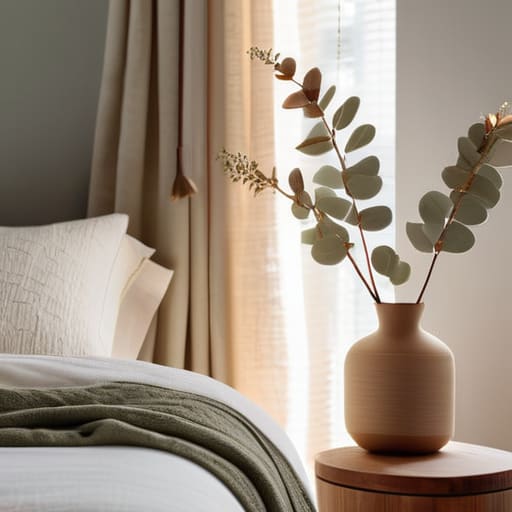
    At the end of the day, mastering soft textile layers isn’t about following a strict set of design rules or recreating a showroom floor. It’s about understanding how different textures—from chunky knits to breezy linens—can work together to transform a cold room into a sanctuary. By playing with varying fabric weights and layering different tones, you’ve learned how to add depth and visual interest without cluttering your space. Remember, the goal is to create a sensory experience where every touch feels intentional and every corner feels inviting. It’s all about finding that perfect balance between style and pure, unadulterated comfort.

    So, don’t be afraid to experiment and break a few “decorating rules” along the way. Your home should be a living, breathing reflection of your personality, not a static museum piece. Grab that extra velvet throw, toss a few linen pillows onto the sofa, and start building a space that actually feels like you. When you focus on how a room makes you feel rather than just how it looks on camera, you truly unlock the magic of home. Now, go ahead and start layering—your cozy sanctuary is waiting to be discovered.

    Frequently Asked Questions

    How do I mix different textures without the whole room looking cluttered or messy?

    The trick is to stick to a cohesive color palette. If your textures are all in the same family of tones—think creams, oatmeal, or soft greys—you can go wild with chunky knits, velvet, and linen without it feeling chaotic. Think of color as the glue that holds the different “feels” together. Also, leave some breathing room; don’t feel like every single surface needs a layer, or it’ll start feeling heavy.

    Are there specific fabrics I should avoid if I want to keep the space looking high-end rather than just "shabby chic"?

    To keep things feeling high-end rather than “shabby chic,” steer clear of overly distressed linens or heavy, pilled wools. You also want to avoid anything with a visible, chunky “craft” texture—think frayed edges or loosely spun cotton yarns that look a bit too rustic. To maintain that polished edge, stick to fabrics with a cleaner drape and more intentional structure, like heavy silks, smooth velvets, or tightly woven linens.

    How often should I swap out my textile layers to keep the vibe fresh without constantly redecorating?

    Honestly, you don’t need to go overboard. I usually follow the seasons: heavy knits and velvet for those chilly months, then swap in breezy linens and light cottons when the sun starts hitting the windows. If you’re feeling a mid-season slump, just change your throw pillows or grab one new textured blanket. It’s a low-effort way to shift the energy without feeling like you’re constantly redoing your entire house.

  • Ways to Organize a Functional Kitchen Pantry

    Ways to Organize a Functional Kitchen Pantry

    I’m going to say something that might get me kicked out of some “aesthetic” lifestyle groups: you do not need a $500 set of matching glass canisters to succeed at organizing a kitchen pantry. Honestly, watching people spend a fortune on uniform containers just to hide the fact that they still can’t find the cumin is utterly exhausting. We’ve been sold this lie that organization requires a massive budget and a degree in interior design, when in reality, most of those “perfect” pantries are just beautiful museums that are impossible to actually live in.

    Once you’ve actually got the containers and bins sorted, the real challenge is staying on top of it all so the chaos doesn’t creep back in. I’ve found that keeping a simple inventory list or a digital meal planner helps more than I ever expected. If you’re feeling a bit overwhelmed by the logistics of managing a busy kitchen, checking out blogly is a total lifesaver for finding quick ways to streamline your daily routines. It’s all about building those small, sustainable habits that keep your hard work from going to waste.

    Table of Contents

    I’m not here to sell you a lifestyle or a shopping list of overpriced bins. Instead, I’m going to give you the unfiltered truth about what actually works when you’re trying to manage a real, messy, lived-in kitchen. We are going to focus on practical systems that prioritize accessibility over aesthetics, ensuring you actually know what you have before you head to the grocery store. This is about functional simplicity, not Instagram perfection, and I promise to show you how to do it without breaking the bank.

    Essential Pantry Decluttering Tips for Immediate Relief

    Essential Pantry Decluttering Tips for Immediate Relief

    Before you even think about buying fancy baskets or label makers, you need to face the music: most of your pantry is likely filled with “ghost” items. You know what I mean—those three half-empty bags of quinoa and the expired cans of soup hiding in the dark corners. Start by pulling everything out. Every single thing. It sounds exhausting, but you can’t fix a mess you can’t see. Group things by category—baking, snacks, grains—and be ruthless. If it’s expired or you know you’ll never actually cook it, toss it or donate it.

    Once you’ve cleared the junk, it’s time to tackle the actual flow of your kitchen. One of the best pantry decluttering tips is to implement the FIFO food rotation method. This is just a fancy way of saying “First In, First Out.” When you bring home new groceries, move the older stuff to the front so you actually use it before it goes bad. This simple habit is a total game-changer for preventing unnecessary food waste and keeping your shelves from turning into a graveyard of forgotten ingredients.

    Smart Kitchen Storage Solutions to Reclaim Your Space

    Smart Kitchen Storage Solutions to Reclaim Your Space

    Once you’ve cleared out the junk, it’s time to stop the chaos from creeping back in. The secret isn’t just buying pretty baskets; it’s about choosing kitchen storage solutions that actually work with your workflow. If you’re working with a tight area, focus on maximizing small pantry space by utilizing verticality. Think tiered spice steps, over-the-door organizers, or stackable bins. If you can’t go up, go deep—lazy Susans are absolute lifesavers for those awkward, dark corners where jars go to die.

    Next, let’s talk about the game-changer: decanting. Moving your dry goods into clear, uniform bins isn’t just about the “aesthetic” you see on Pinterest; it’s about seeing exactly what you have at a glance. Embracing airtight container benefits keeps your flour from getting clumpy and your cereal from going stale, but more importantly, it makes pantry inventory management effortless. When everything is visible and contained, you stop buying three bags of rice because you couldn’t find the one hiding in the back.

    Five Pro Moves to Keep the Chaos at Bay

    • Group your stuff by “vibe” or use case—keep all your baking supplies in one zone and your snack stash in another so you aren’t hunting for sprinkles while the oven is preheating.
    • Use clear, airtight containers for the heavy hitters like flour, pasta, and cereal; not only does it stop the pests, but you’ll actually see exactly when you’re running low.
    • Follow the “First In, First Out” rule by shoving the newer cans and boxes to the back of the shelf, ensuring you actually use those old jars of pesto before they turn into science experiments.
    • Invest in some tiered “stadium seating” shelves for your canned goods so you can see the labels in the back row without playing a high-stakes game of Jenga.
    • Label everything—and I mean everything—even if you think you’ll remember what’s in that unlabeled white bin, because three weeks from now, you will absolutely forget.

    The Bottom Line for a Stress-Free Pantry

    Don’t let perfectionism stall you—start by tossing the expired stuff and clearing the surfaces so you can actually breathe.

    Invest in containers that make sense for your life, not just what looks pretty on Pinterest, to keep your chaos contained.

    Stick to a simple “one-in, one-out” rule to make sure your hard work doesn’t turn back into a cluttered mess by next month.

    The Real Goal of a Tidy Pantry

    “A perfectly organized pantry isn’t about having a Pinterest-worthy collection of glass jars; it’s about the quiet sanity of knowing exactly where the pasta is when you’re starving and halfway through a recipe.”

    Writer

    The Finish Line is Just the Beginning

    The Finish Line is Just the Beginning.

    Look, we’ve covered a lot of ground, from the brutal honesty of the initial declutter to the tactical advantage of using the right bins and labels. You’ve learned how to purge the expired cans, how to group your snacks so they aren’t a lost cause, and how to utilize every inch of vertical space. It isn’t just about buying cute clear containers; it’s about creating a system that actually works for your specific lifestyle. Once you’ve implemented these storage solutions, you aren’t just tidying a shelf—you are eliminating the daily friction that makes cooking feel like a chore.

    At the end of the day, a perfectly organized pantry isn’t about achieving some unrealistic Instagram aesthetic; it’s about reclaiming your time and your sanity. There is a specific kind of peace that comes from opening a cupboard and seeing exactly what you have, rather than facing a mountain of chaos. Don’t feel like you have to do it all in one afternoon. Just take it one shelf at a time, and soon enough, you’ll find yourself actually enjoying the process of prepping your meals. You’ve got this—now go reclaim your kitchen!

    Frequently Asked Questions

    How do I keep my pantry organized once I actually get it looking good?

    The Secret to Not Reverting to Chaos

    Is it worth the money to buy matching containers, or is that just overkill?

    Look, I get the temptation to go full Pinterest-aesthetic, but let’s be real: matching containers are a luxury, not a necessity. If you love the visual calm of uniform jars, go for it—it definitely helps the mental clutter. But if you’re on a budget, don’t sweat it. Use what you have, just try to group similar items together. Organization is about function and finding your snacks, not winning a design award.

    How often should I be doing a "pantry reset" to prevent the chaos from coming back?

    Look, if you wait until you can’t see the floor to clean, you’ve already lost the battle. I aim for a deep “reset” once every three months—it’s enough time for stuff to accumulate, but not so long that it becomes a nightmare. However, do a quick 10-minute sweep every Sunday. Toss the expired stuff and straighten the rows. It’s much easier to maintain order than it is to rebuild it from scratch.

  • Finding Destinations for Pure Relaxation

    Finding Destinations for Pure Relaxation

    I used to think that traveling for relaxation meant booking a five-star wellness retreat where I’d spend three days sipping green juice and participating in guided meditations. Honestly? That sounds like more work. I once spent a small fortune on a “soul-cleansing” getaway, only to realize I was more stressed by the rigid itinerary and the sheer cost than I was by my actual job. We’ve been sold this lie that peace requires a massive budget and a perfectly curated aesthetic, but usually, that kind of forced tranquility is just another item on your to-do list.

    I’m done with the fluff and the Instagram-perfect illusions. In this post, I’m going to share what actually works when you’re traveling for relaxation without losing your mind or your savings. I’ll give you the unvarnished truth about how to actually unplug, from choosing destinations that don’t demand your constant attention to the art of doing absolutely nothing. No luxury gimmicks, no toxic positivity—just real, battle-tested ways to help you finally quiet the noise.

    Table of Contents

    Embracing Slow Travel Benefits to Reclaim Your Time

    Embracing Slow Travel Benefits to Reclaim Your Time

    We’ve all been there: standing in a three-hour queue for a museum or sprinting between landmarks just to check a box on a list. That isn’t a vacation; it’s just a different kind of work. To actually feel the slow travel benefits, you have to stop treating your itinerary like a military operation. Instead of trying to see ten cities in ten days, try staying in one neighborhood for a week. Learn where the locals get their coffee, sit in the same park every afternoon, and let the rhythm of the place sink in.

    This shift in mindset is where the real magic happens. When you stop rushing, you open the door to mindful travel practices that actually lower your cortisol levels. It’s about the quiet moments—the long, unhurried lunches or the afternoon spent reading by a window—rather than the frantic pursuit of “sights.” By choosing depth over distance, you aren’t just visiting a place; you’re finally giving your nervous system the chance to truly reset.

    Why Digital Detox Vacations Are the Ultimate Reset

    Why Digital Detox Vacations Are the Ultimate Reset

    We’ve all been there: sitting on a gorgeous beach in Bali or tucked away in a mountain cabin, yet your eyes are glued to a glowing rectangle, scrolling through emails or checking notifications. It’s a paradox that kills the very point of getting away. This is why digital detox vacations have become such a massive part of current wellness tourism trends. It isn’t just about putting your phone in a drawer; it’s about reclaiming the mental bandwidth that constant connectivity has stolen from us. When you finally sever that invisible tether to the “always-on” culture, something strange happens—the world actually starts to look high-definition again.

    Instead of documenting every meal for an audience of strangers, you start actually tasting the food. Instead of filming a sunset to prove you were there, you just stand there and let the colors hit you. Adopting these kinds of mindful travel practices allows your nervous system to finally exit “fight or flight” mode. You aren’t just sightseeing anymore; you’re actually present. That shift from being a spectator through a lens to a participant in your own life is where the real magic happens.

    How to Actually Decompress (Without Coming Home More Tired Than You Left)

    • Stop over-scheduling your days. If you try to hit five landmarks and three museums in forty-eight hours, you aren’t vacationing—you’re just working in a different zip code. Leave gaps in your itinerary for the unplanned stuff.
    • Curate your sensory environment. If you’re looking for peace, skip the hostel with the 2 a.m. techno beat and the city center madness. Sometimes paying a little extra for a quiet room with a view of something green is the best investment you’ll make.
    • Ditch the “Must-See” checklist. There is no prize for seeing every tourist trap in the region. If you find a local cafe that has the perfect sunlight and a decent espresso, stay there for three hours. That’s where the real relaxation happens.
    • Pack light enough to actually move. Lugging a massive, heavy suitcase through cobblestone streets is a recipe for a backache and a bad mood. If you can’t carry it easily, it’s dead weight that’s going to stress you out.
    • Reclaim your mealtime. Don’t eat a sandwich while walking or scrolling through your phone. Sit down, look at the menu, taste the food, and actually be present. Eating is one of the simplest ways to ground yourself in a new place.

    The Bottom Line: How to Actually Unwind

    Stop treating your vacation like a checklist; the goal isn’t to see everything, it’s to feel something.

    Real rest requires setting hard boundaries with your phone—if you’re still checking emails, you haven’t actually left home.

    Prioritize quality over quantity by choosing one meaningful experience instead of five rushed tourist traps.

    The Real Goal of the Journey

    “We spend so much time trying to ‘see everything’ that we forget to actually feel anything. Real travel isn’t about checking boxes on a map; it’s about finally giving yourself permission to just sit still and exist without an itinerary breathing down your neck.”

    Writer

    The Art of Coming Home

    The Art of Coming Home through restoration.

    Of course, finding the right destination is only half the battle; the real challenge is often figuring out how to actually structure your downtime so you don’t end up just scrolling through emails in a different time zone. I’ve found that having a bit of a roadmap for intentional living makes a massive difference, which is why I’ve been leaning on bloglabs lately to help me curate better habits and stay focused on what actually matters. It’s been a total game-changer for making sure my trips are about genuine restoration rather than just a change of scenery.

    At the end of the day, relaxing through travel isn’t about checking off a bucket list or snapping the perfect photo for a feed. It’s about the intentional shift from doing to being. We’ve talked about the magic of slowing down, the necessity of leaving your phone in the hotel drawer, and how reclaiming your schedule can actually heal your mental state. When you stop treating your vacation like a second job, you finally give yourself permission to actually experience the world instead of just rushing through it.

    So, as you start planning your next escape, I challenge you to do something radical: plan for nothing. Don’t overschedule, don’t obsess over the itinerary, and don’t feel guilty for spending an entire afternoon staring at the ocean or reading in a cafe. The most profound transformations don’t happen when you’re sprinting toward the next landmark, but in those quiet, unscripted moments of stillness. Go find your peace, and more importantly, don’t forget to bring a little bit of that stillness back home with you.

    Frequently Asked Questions

    How do I actually balance my need to see new sights with the goal of staying relaxed?

    The trick is to stop treating your itinerary like a grocery list. Instead of trying to check off ten landmarks in a day, pick one “must-see” for the morning and leave the afternoon completely blank. If you find a cozy cafe or a park that feels right, stay there. Real relaxation happens in the gaps between the sights, not in the frantic rush to see them all before sunset.

    What are some realistic ways to unplug without feeling like I'm missing out on everything?

    The trick is to stop treating “unplugging” like a digital funeral. You don’t have to throw your phone in the ocean; just set some boundaries. Try the “one-app rule”—pick one way to stay connected, like WhatsApp, and mute everything else. Or, schedule specific “check-in windows” so you aren’t scrolling all day. You aren’t missing out on life; you’re actually finally showing up for it. Real life happens when the screen is dark.

    Is it possible to find truly relaxing destinations that don't break the bank?

    Absolutely. In fact, the most soul-soothing spots are rarely the expensive, manicured resorts. Look toward places where the cost of living is lower—think small coastal villages in Portugal, mountain towns in Georgia, or even just a quiet lakeside rental a few hours’ drive away. When you stop chasing luxury and start chasing stillness, you realize that peace of mind doesn’t actually require a five-star price tag. It’s about the vibe, not the amenities.

  • Tips for Visiting Tropical Islands

    Tips for Visiting Tropical Islands

    I still remember sitting on a rusted pier in a tiny village in the Cyclades, nursing a lukewarm beer and watching the sun dip below the horizon. There was no influencer posing in a designer bikini, no pre-booked “luxury excursion” package, and absolutely no overpriced buffet. Just the smell of salt, the sound of waves hitting the rocks, and the realization that I had finally stopped performing my vacation. Most people think traveling to islands means booking a five-star resort and following a rigid itinerary, but that’s exactly how you end up feeling more exhausted than when you left.

    Of course, none of this planning actually matters if you end up stuck in a logistical nightmare with missed ferries or lost bookings. I’ve learned the hard way that having a solid game plan is the difference between a seamless getaway and a total headache, so I always try to keep my research organized. If you’re feeling a bit overwhelmed by all the moving parts, I’ve found that checking out bloglabs is a total lifesaver for keeping your thoughts in order and making sure you don’t miss the little details that actually make a trip memorable.

    Table of Contents

    I’m not here to sell you a dream or point you toward the most “Instagrammable” spots that will inevitably be overrun by crowds. Instead, I’m going to give you the real, unvarnished truth about how to actually find your rhythm when you’re out on the water. We’re going to talk about the logistics that actually matter, the hidden spots that don’t require a private jet, and how to navigate the chaos without losing your mind. Consider this your no-nonsense roadmap to finding the soul of the sea.

    Finding Paradise Among the Best Tropical Destinations

    Finding Paradise Among the Best Tropical Destinations

    Let’s be real: the sheer number of options can feel a bit overwhelming when you’re staring at a map, trying to decide where to drop your anchor. You aren’t just looking for a beach; you’re looking for a vibe. Some people crave the luxury of high-end oceanfront resort recommendations, where the cocktails are strong and the towels are fluffy. Others, like me, find more joy in the grit and beauty of a remote island travel guide, seeking out those tiny, unnamed sandbars that haven’t been overrun by selfie sticks just yet.

    The trick is narrowing down your search based on what actually makes you feel alive. Are you chasing world-class surf breaks, or are you more into lounging under a palm tree with a book? If you want to avoid the tourist traps, I always suggest looking slightly off the beaten path. Instead of hitting the massive hubs, try scouting for spots that prioritize sustainable island tourism. It’s a much better way to ensure that the pristine turquoise waters you’re falling in love with stay that way for the next person lucky enough to find them.

    Mastering Your Island Hopping Itinerary Tips

    Mastering Your Island Hopping Itinerary Tips guide.

    Let’s be real: trying to see five different islands in ten days sounds like a dream until you’re actually stuck in a humid ferry terminal waiting for a boat that’s three hours late. The secret to a stress-free trip isn’t seeing everything, it’s seeing the right things. When you’re putting together your island hopping itinerary tips, prioritize quality over quantity. Instead of rushing through a dozen stops, pick three or four hubs and use them as bases. This gives you time to actually breathe, grab a cocktail, and sink your toes into the sand without constantly checking your watch for the next departure.

    Logistics are the silent killer of a good vibe, so plan your transit routes like a pro. If you’re moving between spots, try to group islands that are geographically close to minimize time spent on choppy waters. Also, don’t overlook the importance of packing for tropical climates; you want lightweight, breathable fabrics that can transition from a salty boat ride to a breezy dinner. A little bit of foresight goes a long way in ensuring your trip feels like a vacation rather than a marathon.

    Pro Tips for Not Looking Like a Total Tourist

    • Pack light, seriously. Most island transfers involve tiny boats or narrow planes where every extra pound feels like a burden, so stick to a versatile capsule wardrobe.
    • Respect the local rhythm. Islands often run on “island time,” which means things might move slower than you’re used to—embrace it rather than fighting it.
    • Cash is king in the remote spots. While big resorts take cards, that hidden beach shack or local boat captain will almost certainly only take physical currency.
    • Protect your gear from the salt and sun. Between the humidity and the ocean spray, your electronics can die a quick death if you aren’t using dry bags.
    • Learn a few basic phrases. Even if everyone speaks English, a simple “hello” or “thank you” in the local tongue goes a long way in building real connections with the locals.

    The Island Hopper’s Cheat Sheet

    Don’t overschedule your days; the real magic happens when you leave room for unplanned boat rides and spontaneous beach finds.

    Pack light but smart—focus on breathable fabrics and versatile gear so you aren’t lugging a massive suitcase across sandy shores.

    Respect the local rhythm by prioritizing eco-friendly travel and supporting small, island-owned businesses to keep these paradises thriving.

    The Real Magic of the Tide

    “Island life isn’t about checking a destination off a list; it’s about that specific moment when the Wi-Fi dies, the salt crusts on your skin, and you realize the only schedule that matters is the rising tide.”

    Writer

    The Horizon is Calling

    The Horizon is Calling on a tropical island.

    At the end of the day, a successful island getaway isn’t just about ticking off the most famous tropical destinations on a map. It’s about the way you prepare—from picking that perfect, sun-drenched spot to mastering the art of the itinerary so you aren’t spending your whole trip stuck in transit. Whether you’re navigating local ferry schedules or finding that hidden cove far from the resort crowds, the goal is to balance structure with the freedom to wander. Remember, the best memories usually happen when you embrace the unplanned moments between the planned stops.

    So, stop overthinking the logistics and start packing the sunscreen. There is a specific kind of magic that only happens when the land ends and the turquoise water begins. Islands have a way of stripping away the noise of everyday life, leaving you with nothing but the rhythm of the tides and the warmth of the sun. Don’t wait for the “perfect” time to go; just chase the horizon and find your own slice of paradise. Your adventure of a lifetime is waiting just beyond the shoreline.

    Frequently Asked Questions

    What’s the best time of year to visit to avoid hurricane season or monsoon rains?

    Timing is everything if you don’t want your beach days ruined by torrential downpours. For the Caribbean and Atlantic islands, aim for the “sweet spot” between December and May to dodge hurricane season. If you’re eyeing Southeast Asia, you’ll want to pivot toward the dry seasons—typically November to April for places like Thailand. Basically, do your homework on the specific region first; there’s nothing worse than booking a tropical getaway only to get stuck indoors.

    How much should I realistically budget for inter-island transportation like ferries or small planes?

    Here’s the reality check: don’t let the “budget” labels fool you. If you’re sticking to local ferries, you can get away with $20–$50 per leg, which is a steal. But if you want to save time and hop on a small puddle jumper or a seaplane? Budget at least $150–$300 per trip. It adds up fast. My advice? Pick one “big” island to base yourself on and use the expensive flights sparingly.

    Do I need to pack extra gear for snorkeling and diving, or can I just rent everything once I arrive?

    Honestly, unless you’re a hardcore diver with a specific mask fit you swear by, don’t even bother lugging extra gear in your suitcase. Most island hubs have rental shops on every corner, and the kits are usually decent. Save that precious luggage space for better outfits or souvenirs. The only thing I’d suggest bringing is your own high-quality snorkel mask if you have one—nothing ruins a vibe like a leaky mask mid-reef.