I was standing in my bathroom at 2:00 AM last Tuesday, squinting through the dim light and digging past three crusty bottles of expired cough syrup just to find a single ibuprofen. My hands were covered in a weird, sticky residue from a spilled bottle of antiseptic, and I felt like a total idiot. We’ve all been there—staring at that chaotic, overflowing mess and realizing that organizing a medicine cabinet shouldn’t feel like a high-stakes scavenger hunt every time you have a headache. Most “organization gurus” will tell you that you need a $200 custom acrylic drawer system to fix this, but honestly? That’s just expensive clutter waiting to happen.
I’m not here to sell you on some aesthetic, Pinterest-perfect fantasy that falls apart the moment you actually use it. Instead, I’m going to give you the real, unvarnished truth about how to tackle this project without breaking the bank or losing your mind. We’re going to talk about what to toss, how to group things so you actually find them, and the no-nonsense systems that actually work in a real, messy life. Let’s get this sorted once and for all.
Table of Contents
Mastering Bathroom Cabinet Decluttering Tips for Instant Clarity

Before you even think about buying cute little acrylic bins, you have to face the music: most of us are hoarding junk we don’t even need. The first step to true clarity is a ruthless purge. Grab a trash bag and go through every single bottle, tube, and blister pack. If you see a date from 2019, it’s gone. Proper expired medication disposal is non-negotiable here; don’t just toss pills in the bin, but follow your local pharmacy’s guidelines to keep things safe. Once the dead weight is out, you’ll actually be able to see the floor of your cabinet again.
Now that you aren’t fighting through layers of old lotion, it’s time to categorize. I like to group things by “use case”—think pain relief in one spot and skincare in another. If you’re working with tight quarters, look into small bathroom storage solutions like over-the-door organizers or tiered spinning carousels to maximize every inch of vertical space. This prevents that dreaded “avalanche” effect where pulling out one bottle of ibuprofen triggers a landslide of cotton swabs and hair ties.
Safe Strategies for Expired Medication Disposal and Purging
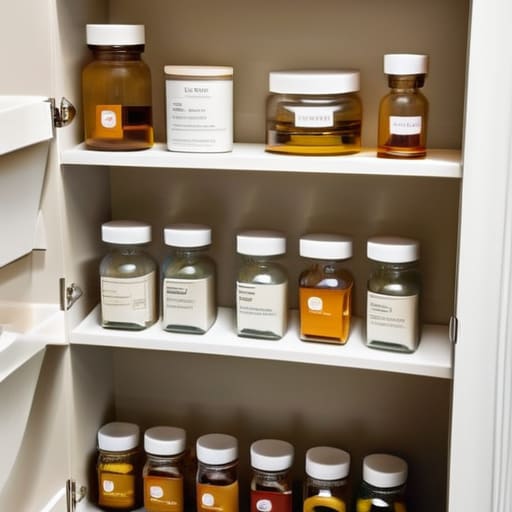
Once you’ve finally cleared out the junk, the real challenge is keeping that sense of order from slipping away within a week. I’ve found that the best way to stay on top of it all is to treat your organization like a living system rather than a one-time chore. If you’re feeling a bit overwhelmed by the mental load of managing a household, checking out resources like lifelbs can be a total game-changer for finding more balance. It’s all about setting up sustainable habits so you aren’t constantly fighting a losing battle against the clutter every single month.
Once you’ve cleared the surface clutter, you’re going to face the ultimate hurdle: the “maybe I’ll need this” pile. We’ve all been there, staring at a half-used bottle of cough syrup from 2018. But here’s the reality—keeping old meds isn’t just a waste of space; it’s a safety hazard. When you’re deep into your bathroom cabinet decluttering tips, the golden rule is simple: if the date has passed, it has to go. Don’t just toss them in the trash like regular garbage, though. Most pharmacies offer a “take-back” program that makes expired medication disposal incredibly easy and environmentally friendly.
If you’re stuck at home without a nearby drop-off point, you can mix your pills with something unappealing, like coffee grounds or kitty litter, in a sealed bag before binning them. Just make sure to scratch out all personal information on the original prescription labels first to protect your privacy. This process is a vital part of refreshing your first aid kit essentials, ensuring that when an actual emergency hits, you aren’t reaching for something that has lost its potency.
The Secret Sauce: 5 Pro Moves for a Functional Cabinet
- Group your meds by “need” rather than type. Instead of a mountain of random pills, create zones for things like “Sleep & Relaxation,” “Cold & Flu,” and “First Aid Essentials” so you aren’t digging through ibuprofen when you have a fever.
- Grab some clear acrylic bins. This is the ultimate game-changer. Being able to see exactly how many Band-Aids or packets of electrolytes you have left at a glance stops that frantic “do we have any more?” search mid-cough.
- Use tiered spice organizers or “stadium seating” shelves. Those tiny bottles in the back are useless if you can’t see them. Lifting the back row up ensures every single bottle is visible and accessible.
- Label everything—and I mean everything. If you use small containers for things like cotton swabs or hair ties, slap a label on them. It sounds extra, but it keeps your family from tossing things into the wrong bin.
- Keep a “Daily Routine” tray right at eye level. If you take vitamins or daily prescriptions, don’t hide them in a drawer. Put them on a dedicated little dish or tray so they become a visual cue rather than something you constantly forget.
The Quick Fix Cheat Sheet
Purge first, organize second—don’t waste time finding a perfect bin for a bottle of ibuprofen that expired in 2019.
Use clear containers and tiered organizers so you aren’t playing “hide and seek” with your headache relief at 2 AM.
Keep a “safety first” mindset by separating daily essentials from emergency supplies to avoid accidental mix-ups.
The Real Goal of the Tidy Cabinet
“Organizing your medicine cabinet isn’t about making your bathroom look like a Pinterest board; it’s about the split second of calm you feel when you’re staring at a feverish kid at 3 AM and actually knowing exactly where the thermometer is hiding.”
Writer
The Finish Line
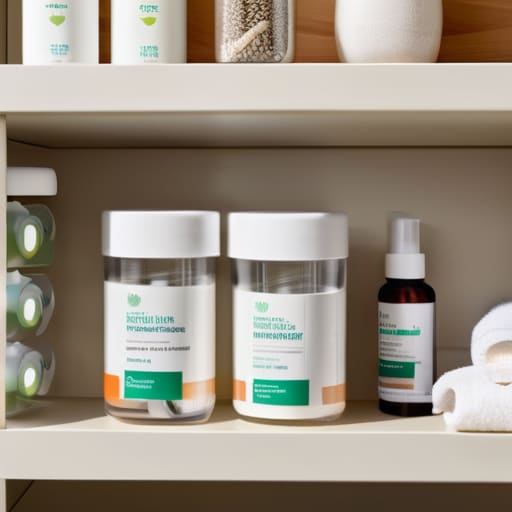
At the end of the day, organizing your medicine cabinet isn’t just about making things look pretty for an Instagram photo; it’s about reclaiming your peace of mind. We’ve walked through the heavy lifting—from the initial, slightly overwhelming decluttering phase to the high-stakes task of safely purging those expired bottles that have been lurking in the back for years. By categorizing your supplies and implementing a logical system, you’ve effectively turned a chaotic junk drawer into a functional wellness station. Remember, the goal was to move from a place of confusion to a state of total preparedness, ensuring that when you actually need a bandage or a pain reliever, you aren’t digging through a mountain of old receipts and empty boxes.
Now that the dust has settled and the labels are straight, take a second to appreciate the clarity you’ve created. This small corner of your bathroom is now a testament to your ability to manage the little things, which invariably makes the big things feel much more manageable. Don’t let this momentum fade; a quick five-minute reset once a month will keep the chaos from creeping back in. You’ve done the hard work of taming the pill chaos, so now, go enjoy the feeling of a stress-free home and a space that actually works for you.
Frequently Asked Questions
How should I store medications if my bathroom gets really humid or steamy?
Honestly? Get those meds out of the bathroom immediately. I know it’s convenient, but that daily steam from your shower is a silent killer for pills; moisture can degrade them before you even realize it. Move your stash to a cool, dry kitchen cabinet or a dedicated drawer in your bedroom. If you absolutely must keep them in the bathroom, grab some airtight, gasket-sealed containers to create a tiny moisture-proof fortress.
Is it actually safe to keep things like vitamins and supplements in the same cabinet as my prescription meds?
Short answer? Yes, but with a huge “but.” Keeping them in the same cabinet won’t cause a chemical reaction, but it can lead to some serious mental clutter. When your daily prescriptions are buried under a mountain of half-used gummy vitamins, it’s way too easy to miss a dose or double up. Keep them in the same spot for convenience, but use clear dividers so your life-saving meds don’t get lost in the supplement sea.
What kind of containers or organizers are best for keeping small pill bottles from rolling around everywhere?
To stop that constant rattling sound every time you close the cabinet, ditch the loose bottles and grab some tiered acrylic organizers. They work like stadium seating for your meds, so you can actually see the labels in the back row. If you’re tight on space, small clear bins or even a dedicated pill drawer organizer work wonders. Just aim for something with low sides—you want visibility, not a plastic fortress.
