I used to think that “luxury” bedding meant anything with a high thread count and a silky, synthetic sheen that felt like sleeping on a sheet of plastic. I was wrong, and honestly, I was exhausted. I spent years tossing and turning in expensive cotton that felt suffocating the second I actually fell asleep. It wasn’t until I finally stopped listening to the marketing fluff and actually tried linen that I realized most of the “high-end” advice out there is just noise. If you’re tired of waking up in a sweat, it’s time we talk about the real linen bedding benefits that actually matter for your sleep quality, not just what looks pretty in a catalog.
If you’re feeling a bit overwhelmed by all the different weave weights and thread counts out there, don’t sweat it—it’s a lot to take in. I actually found a really solid breakdown over at blogslabs that helps make sense of the technical side of fabric quality without making your head spin. It’s a great way to double-check what you’re buying so you don’t end up with something that feels more like sandpaper than a luxury cloud.
Table of Contents
Look, I’m not here to sell you a lifestyle or tell you that these sheets will magically solve all your life problems. What I am going to do is give you the unfiltered truth based on months of testing different weights and weaves. I’ll break down what’s actually worth your money and what’s just overpriced hype, so you can decide if it’s right for your own bedroom. No fluff, no sales pitch—just the straight facts on making your sleep setup actually work for you.
Mastering Temperature Regulating Sleep Fabrics
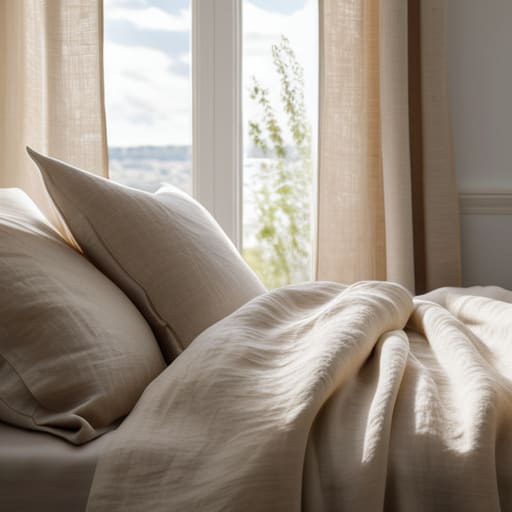
If you’ve ever spent half the night kicking off the duvet only to freeze two minutes later, you know the struggle of finding the right temperature regulating sleep fabrics. Most synthetic sheets act like a plastic bag, trapping your body heat until you’re basically simmering in your own sweat. Linen is different. Because the fibers are naturally hollow and loosely woven, they allow for a constant flow of air. It’s less about “insulation” and more about active breathability that works with your body instead of against it.
When you look at a linen vs cotton bedding comparison, the real magic lies in the moisture wicking properties of linen. While cotton tends to soak up sweat and stay damp—making you feel heavy and clammy—linen pulls that moisture away from your skin and lets it evaporate almost instantly. It’s that specific ability to stay dry and airy that makes it a total lifesaver for hot sleepers or anyone dealing with seasonal temperature swings. It’s not just about comfort; it’s about finally stopping that restless tossing and turning.
Why Moisture Wicking Properties of Linen Change Everything
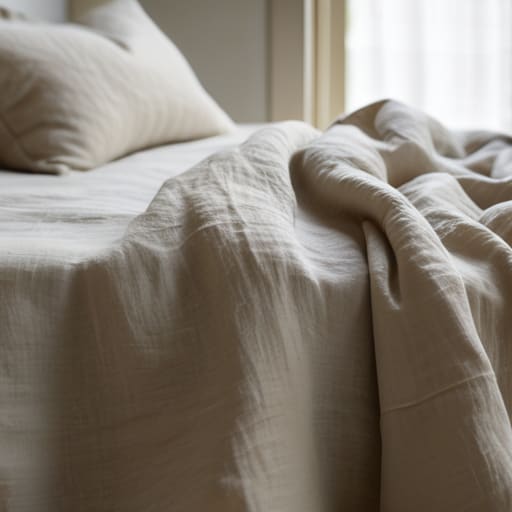
If you’ve ever woken up in a literal puddle of sweat despite the AC being on, you know that “sticky” feeling all too well. That’s usually where standard fabrics fail. When you look at a linen vs cotton bedding comparison, the real winner isn’t just about softness; it’s about how the fibers handle humidity. Linen is naturally thirsty in the best way possible. It pulls moisture away from your skin and disperses it through the fabric to evaporate, rather than just trapping it against your body like a sponge.
This is why the moisture wicking properties of linen are such a massive deal for anyone struggling with night sweats. Instead of feeling damp and heavy halfway through the night, the fabric stays relatively dry and crisp. It creates this constant airflow around you that keeps the microclimate under your covers stable. It’s not just a luxury upgrade; it’s a functional necessity if you want to stop tossing and turning every time your body temperature spikes.
How to Actually Make the Most of Your Linen
- Don’t panic about the wrinkles. Linen is supposed to look a little lived-in and effortless; if you try to iron out every single crease, you’re just fighting a losing battle against the fabric’s soul.
- Give it a few washes before you expect perfection. Linen has this amazing way of getting softer and more supple every single time you wash it, so don’t judge it by its first day in the bedroom.
- Skip the heavy fabric softeners. They can actually coat the fibers and mess with that natural breathability we love, so just use a gentle detergent and let the linen do its own thing.
- Dry it on low or just air dry it. High heat is the enemy of longevity here, and since linen is naturally pretty durable, letting it air dry helps keep those fibers strong for years.
- Mix and match your textures. Since linen has that beautiful, slightly raw look, pairing it with a chunky knit throw or a silk pillowcase creates a layered, high-end vibe that doesn’t feel too stiff.
The Bottom Line on Linen
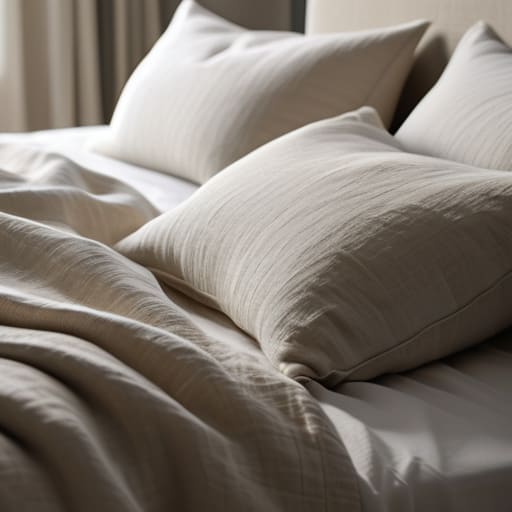
If you’re constantly flipping the pillow to find the “cool side,” linen is your fix—it actually breathes instead of trapping heat like cheap synthetics.
It’s a massive win for anyone who deals with night sweats, since the fabric pulls moisture away from your skin rather than letting you soak in it.
Think of it as an investment in your sleep quality; it gets softer every single time you wash it, so it actually gets better with age.
## The Real Feel
“Look, you can spend a fortune on high-tech gadgets to fix your sleep, but sometimes the smartest move is just getting better sheets. Once you actually feel how linen breathes, going back to standard cotton feels like sleeping under a heavy, suffocating rug.”
Writer
The Bottom Line on Linen
At the end of the day, switching to linen isn’t just about upgrading your bedroom decor or chasing a specific aesthetic. It’s about making a conscious decision to stop fighting your environment every single night. We’ve looked at how the fabric manages heat, how it handles moisture, and why that unique texture actually gets better with every single wash. When you stop tossing and turning because of a sweaty night or a stuffy room, you realize that investing in quality bedding is really an investment in your own sanity. It’s a practical, long-term solution for anyone who is tired of cheap fabrics that just don’t hold up.
If you’ve been on the fence about making the jump, just remember that your sleep is the foundation for everything else you do. You can’t pour from an empty cup, and you certainly can’t perform your best when you’re running on four hours of restless, overheated sleep. Give yourself permission to prioritize your comfort. Once you experience that perfect, breezy sleep environment, there is absolutely no going back to basic cotton. Your future, well-rested self will definitely thank you for it.
Frequently Asked Questions
Is linen actually worth the higher price tag compared to high-quality cotton?
Look, if you’re just looking for something that looks decent for a guest room, stick with high-quality cotton. It’s cheaper and easier to find. But if you’re investing in your actual sleep, linen is worth every extra penny. You aren’t just paying for a fabric; you’re paying for something that gets softer every single time you wash it and lasts for years rather than seasons. It’s a long-term play for your bedroom.
How do I stop my linen sheets from looking like a wrinkled mess every morning?
Look, if you’re expecting linen to look crisp like hotel cotton, you’re fighting a losing battle. That lived-in, slightly rumpled look is literally the whole point. But if the wrinkles are driving you crazy, try pulling them taut when you make the bed and letting them air dry instead of using a heavy dryer cycle. Honestly, though? Just embrace the chaos. The texture is part of the charm.
Will linen bedding get softer over time, or does it stay scratchy?
The best part about linen is that it actually gets better with age. If they feel a little stiff or “crunchy” right out of the box, don’t panic—that’s totally normal. Think of it like a good pair of vintage jeans; the more you wash and sleep in them, the more the fibers break in and soften up. After a few months, they’ll feel incredibly supple and lived-in rather than scratchy.
