Category: Lifestyle

  • Using Soft Textures to Create a Relaxing Home
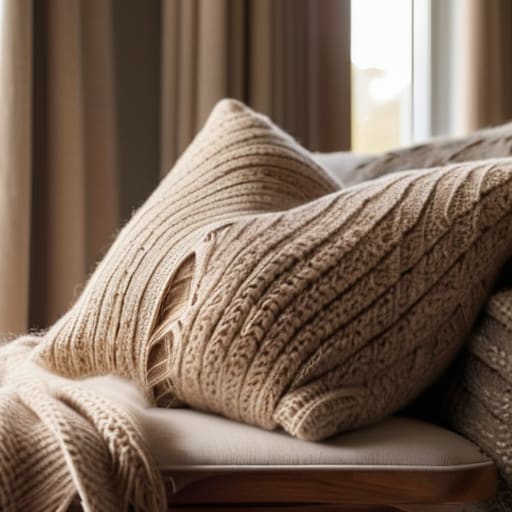
    Using Soft Textures to Create a Relaxing Home

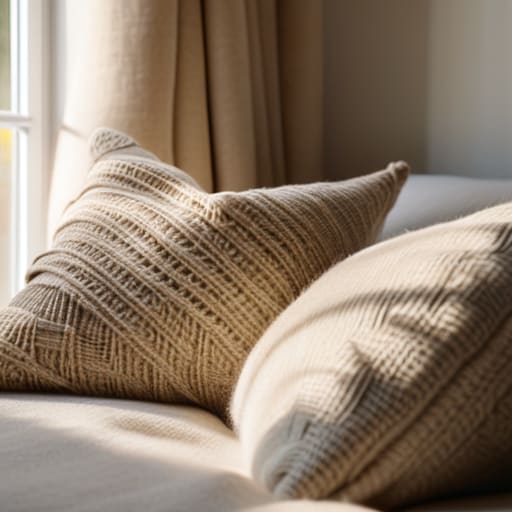
    I used to think that making a room feel “expensive” meant hunting down those ultra-sleek, high-gloss surfaces that look great in a magazine but feel like sitting on a piece of frozen granite. I spent way too much money on minimalist furniture that looked stunning but left me feeling completely disconnected from my own living space. It wasn’t until I realized that a home is meant to be lived in, not just stared at, that I finally started playing around with soft textures to actually bring some soul into my apartment.

    Look, I’m not here to sell you on some overpriced, boutique-brand throw pillow that costs more than my grocery bill. I’ve spent years trial-and-erroring my way through different fabrics, weaves, and layers to figure out what actually works. In this post, I’m going to give you the real-world breakdown of how to layer different materials without making your living room look like a cluttered fabric warehouse. No fluff, no designer nonsense—just honest advice on how to make your space feel as good as it looks.

    Table of Contents

    Mastering Textile Comfort in Interior Design

    Mastering Textile Comfort in Interior Design.

    To really nail this, you have to stop thinking about fabrics as just “decor” and start seeing them as a way to layer tactile sensory stimulation into your daily routine. It’s not just about picking a color that matches your rug; it’s about how a heavy knit throw feels against your skin after a long day or the way a velvet cushion catches the light. When you prioritize textile comfort in interior design, you’re essentially building a physical buffer between yourself and the chaos of the outside world.

    Start by playing with contrasting weights to keep the room from feeling flat. If you have a sleek, leather sofa that feels a bit too “cold,” break it up with some chunky wool blankets or oversized linen pillows. These kinds of soothing fabric materials act as the connective tissue of a room, turning a sterile showroom setup into a space that actually invites you to sit down and stay a while. It’s those small, intentional layers that turn a house into a sanctuary.

    The Magic of Tactile Sensory Stimulation

    The Magic of Tactile Sensory Stimulation.

    It’s easy to forget that we don’t just experience a room with our eyes; we experience it with our skin. There is a profound, almost primal connection between what we touch and how we feel emotionally. This is where the magic of tactile sensory stimulation comes into play. When you run your hand over a heavy linen curtain or sink your fingers into a chunky knit throw, you aren’t just interacting with decor—you are sending signals to your nervous system to slow down and settle.

    Creating these sensory-friendly living spaces isn’t about luxury for luxury’s sake; it’s about intentionality. By layering different weights and weaves, you create a multidimensional environment that responds to your mood. Think about it: a smooth silk pillowcase feels refreshing on a warm night, while a thick, woollen rug provides that grounding, weighted sensation during a rainy afternoon. It’s these subtle shifts in physical contact that transform a house from a mere collection of furniture into a sanctuary that actually breathes with you.

    Quick Wins to Soften Your Space

    • Don’t be afraid to layer. Throwing a chunky knit blanket over a sleek leather sofa might feel “too much” at first, but that contrast is exactly what prevents a room from feeling cold or clinical.
    • Mix your weights. A heavy, velvet curtain paired with light, airy linen pillows creates a visual depth that makes the room feel lived-in rather than just “decorated.”
    • Go for the rug upgrade. If your feet hit hard hardwood every morning, your mood will feel it too. A high-pile shag or a soft wool rug acts like an immediate hug for your feet.
    • Check your lighting against your textures. Soft fabrics look best under warm, dim light; harsh overhead LEDs can make even the fluffiest pillow look flat and uninviting.
    • Think about the “touch test.” Before you buy, actually feel the material. If it feels scratchy or synthetic in the store, it’s going to drive you crazy when you’re trying to actually relax on your couch.

    The Bottom Line

    Don’t just decorate for the eyes; design for the touch. A room that looks beautiful but feels cold is a room where nobody actually wants to stay.

    Layering is your best friend. Mix up your materials—think heavy knits against smooth linens—to create that lived-in, multidimensional depth that makes a space feel intentional.

    Use texture to set the mood. Whether you’re going for high-energy brightness or a low-key sanctuary, the weight and feel of your fabrics will do most of the heavy lifting for you.

    ## The Soul of the Space

    “You can have the most expensive, architecturally perfect room in the world, but if it doesn’t feel soft enough to sink into, it’s just a showroom, not a home.”

    Writer

    Bringing It All Together

    Bringing It All Together with fabric swatches.

    If you’re feeling a bit overwhelmed by the sheer amount of fabric swatches and material options out there, don’t sweat it—it’s easy to get lost in the details. I’ve found that keeping a digital mood board or using a reliable resource like techsly can be a total lifesaver when you’re trying to narrow down which weaves actually complement your existing furniture. It really helps to have a clear visual roadmap before you commit to buying anything, so you aren’t left guessing how that chunky knit throw will actually look against your linen sofa.

    At the end of the day, designing a space isn’t just about picking out furniture that looks good in a catalog; it’s about how that space makes you actually feel when you walk through the door. We’ve talked about how layering different textiles can master comfort, how tactile stimulation keeps our senses engaged, and why those soft touches are the secret ingredient to a balanced room. It’s the difference between a house that looks like a showroom and a home that feels like a sanctuary. By focusing on the way materials interact with your touch, you’re moving beyond mere aesthetics and into the realm of true, lived-in design.

    So, don’t be afraid to get a little messy with your textures. Grab that chunky knit throw, pile up the velvet cushions, and lean into the softness that makes your life easier. Your home should be a place that softens the edges of a hectic world, providing a gentle landing spot every single evening. When you prioritize comfort and sensory warmth, you aren’t just decorating a room—you are cultivating a lifestyle of peace and intentionality. Go ahead, make it cozy.

    Frequently Asked Questions

    How do I layer different soft textures without making the room look cluttered or messy?

    The secret is all in the “rule of three” and keeping a cohesive color palette. If you’re mixing a chunky knit throw with velvet pillows, try sticking to different shades of the same color family. It keeps things looking intentional rather than chaotic. Also, vary the scales—pair a large, heavy texture with something fine and delicate. It creates depth without the visual noise, making the space feel curated, not just cluttered.

    Are there specific fabrics I should avoid if I have pets or kids running around?

    Look, if you’ve got kids or pets, you have to be realistic. Stay far away from delicate silks, pure linens, or anything velvet that shows every single stray hair. They’re gorgeous, but they’re a nightmare to maintain. Instead, lean into performance fabrics or tight weaves like microfibers and heavy polyesters. They’re built to take a beating, handle spills, and won’t look like a disaster zone after five minutes of chaos.

    How do I mix heavy, cozy textures like wool with lighter materials like linen without it feeling mismatched?

    The trick is all about the “bridge.” You can’t just throw a chunky wool throw on a sleek linen sofa and hope for the best; it’ll look like an afterthought. Instead, use a middle-ground element—like a cotton-linen blend pillow or a light knit—to marry the two. Think of it as a gradient. You’re layering weight, not just fabrics, so let the heavy pieces ground the room while the light ones add air.

  • Using Puzzles to Switch Off Your Brain
    Using Puzzles to Switch Off Your Brain

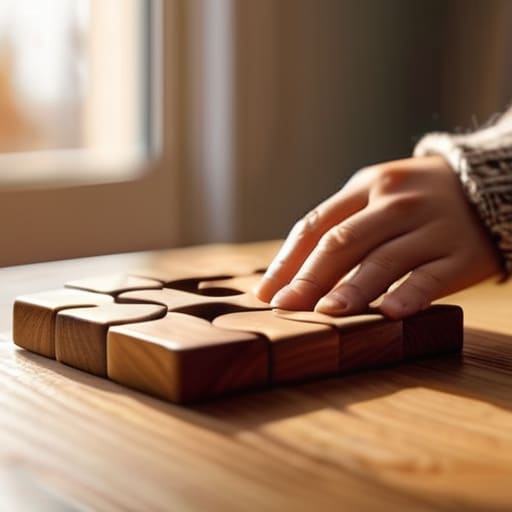
    I’m so tired of seeing those glossy, “zen” lifestyle influencers claiming you need a thousand-dollar meditation retreat or a perfectly curated, minimalist sanctuary to find peace. Honestly, it’s exhausting. If you’re looking for a way to actually quiet the noise in your head, you don’t need a mountain top; sometimes you just need a kitchen table and a box of cardboard. I’ve found that using puzzles for mindfulness is way more effective than sitting cross-legged trying to “empty your mind” while your brain screams about your unread emails. It’s not about achieving some perfect state of enlightenment; it’s about that satisfying click when a piece finally fits and the rest of the world just fades into the background.

    Look, I’m not here to sell you on some magical, life-changing miracle cure. What I am going to do is share what actually works when you’re staring down a pile of chaotic pieces and a restless mind. I’ll walk you through the specific types of puzzles that actually help you decompress and, more importantly, how to stop overthinking the process so you can actually enjoy it. No fluff, no expensive gear—just real, honest ways to use a hobby to find a little bit of calm.

    Table of Contents

    The Cognitive Benefits of Jigsaw Puzzles and Focus

    The Cognitive Benefits of Jigsaw Puzzles and Focus

    It isn’t just about passing the time; there is actual science behind why your brain feels so much calmer once you start sorting those pieces. When you dive into a box, you aren’t just looking at colors; you are engaging in a complex mental dance. The cognitive benefits of jigsaw puzzles stem from how they force your brain to switch from “reactive mode”—where you’re constantly checking notifications—to a state of deep, singular focus. You’re scanning, matching, and spatial reasoning all at once, which effectively trains your brain to ignore the background noise of a frantic day.

    It also helps to remember that you don’t need a massive, thousand-piece mountain on your dining room table to reap these rewards; sometimes, the best way to start is by finding a curated selection of themes that actually resonate with your current mood. If you’re looking for some fresh inspiration or a specific style to dive into, I’ve found that checking out techpp is a great way to stumble upon something new that fits your vibe. Honestly, finding that perfectly matched set can make the whole experience feel less like a chore and more like a genuine escape.

    There is also something deeply grounding about the physical aspect of it. Unlike scrolling through a phone, which often leaves us feeling more scattered, the sensory experience of touching the cardboard pieces offers a unique kind of stress relief through tactile activities. It’s a way of improving concentration with brain games that feels less like a chore and more like a reward. As you find that one perfect edge piece, you’re hitting a small, satisfying loop of micro-wins that helps steady your focus and quiet the mental chatter.

    Stress Relief Through Tactile Activities and Touch

    Stress Relief Through Tactile Activities and Touch

    There’s something deeply grounding about the physical sensation of a puzzle piece sliding into place. In a world where most of our interactions happen behind a glass screen, we’re constantly starved for real, physical feedback. This is where the magic of stress relief through tactile activities really kicks in. When you’re running your fingers over the textured cardboard or feeling the weight of a piece, you aren’t just playing a game; you’re forcing your nervous system to reconnect with the immediate, physical present. It’s a sensory anchor that pulls you away from racing thoughts and back into your body.

    This tactile connection acts as a natural reset button for your brain. Instead of the frantic tapping of a keyboard, you’re engaging in slow, intentional movements. This shift toward analog hobbies for anxiety reduction allows you to find a rhythm that digital life simply can’t provide. There is a quiet, almost rhythmic satisfaction in sorting shapes and feeling the edges click together, turning what could be a frustrating task into a soothing, repetitive motion that helps lower your cortisol levels without you even realizing it.

    How to Actually Turn Puzzle Time into Zen Time

    • Ditch the distractions. If you’re trying to find your center, you can’t have your phone buzzing every thirty seconds. Put it in another room, grab a cup of tea, and let the only thing in your world be the piece in your hand.
    • Don’t rush the process. We have this weird habit of trying to “finish” things as fast as possible. Forget the box lid for a second. Don’t look at the completed picture; just look at the shape of the piece you’re holding right now.
    • Lean into the sensory stuff. Pay attention to the sound of the pieces clicking together or the texture of the cardboard. It sounds a bit hippy-dippy, but focusing on those tiny physical sensations is what actually grounds you in the moment.
    • Curate your vibe. Mindfulness isn’t just about the puzzle; it’s about the environment. Dim the overhead lights, put on some lo-fi beats or just some soft ambient noise, and make your puzzle space feel like a sanctuary rather than a chore.
    • Accept the frustration. You’re going to hit a wall where nothing seems to fit, and that’s actually the most important part. Instead of getting annoyed, notice that feeling of tension, take a breath, and realize that’s just part of the flow.

    The Bottom Line: Finding Your Flow

    Puzzles aren’t just a way to kill time; they’re a legitimate tool for training your brain to stay present and quiet the mental noise.

    There’s a unique, soothing magic in the tactile experience—actually touching the pieces helps ground you when your head feels like it’s spinning.

    Don’t overthink it; whether it’s a complex landscape or a simple pattern, the goal is just to find that “flow state” where the world falls away.

    The Quiet Magic of the Piece

    “There’s this specific kind of peace that only happens when the rest of the world goes quiet and your entire universe shrinks down to the shape of a single cardboard edge. It’s not just about finishing the picture; it’s about that moment you finally stop racing against time and just start existing within the pattern.”

    Writer

    The Final Piece of the Puzzle

    Finding The Final Piece of the Puzzle.

    At the end of the day, it isn’t just about finishing a picture or seeing a thousand tiny cardboard scraps turn into something beautiful. It’s about those quiet moments where the world stops rushing and you finally find your center. Between the cognitive boost of sharpening your focus and the sheer, grounding magic of tactile engagement, puzzles offer a rare kind of sanctuary. They give your brain a way to work without the pressure of productivity, allowing you to transition from a state of constant mental noise to one of intentional, rhythmic calm.

    So, the next time you feel the weight of a chaotic week pressing down on you, don’t reach for your phone or scroll through another endless feed. Instead, clear off a corner of the dining table, pour a cup of tea, and let yourself get lost in the pattern. You don’t need to rush toward the finish line; the real magic happens in the middle of the process. Sometimes, the best way to put your life back together is to simply sit down and find where the next piece fits.

    Frequently Asked Questions

    How many pieces should a puzzle have to actually help with mindfulness without becoming frustrating?

    Honestly, there’s a fine line between “zen” and “total meltdown.” If you’re looking for that sweet spot, I’d aim for 300 to 500 pieces. It’s enough to actually get into a flow state, but not so much that you’re staring at a mountain of cardboard feeling defeated. If you’re a seasoned pro, maybe push to 1,000, but if the goal is peace, don’t pick a project that feels like work.

    Can you use puzzles to help with ADHD or focus issues, or are they too distracting?

    Honestly, it’s a bit of a double-edged sword. For some with ADHD, the “hyperfocus” that kicks in during a puzzle is a godsend—it’s like a structured way to channel that restless energy into something productive. But if you’re having a high-distraction day, the sheer number of tiny, identical pieces can feel overwhelming. My advice? Start with smaller, high-contrast pieces to build momentum without the sensory overload.

    Do I need to sit in total silence to get the mental health benefits, or can I listen to music while I work?

    Honestly, don’t feel like you have to sit in a silent vacuum to reap the rewards. For some, total silence is great, but for many of us, a curated playlist or a lo-fi beat actually helps create a “flow state.” If music helps you drown out the chaos of the world and keeps you locked into the pattern, go for it. The goal is mental peace, not forced quiet.

  • Embracing Slow Living in Your Evening Hours
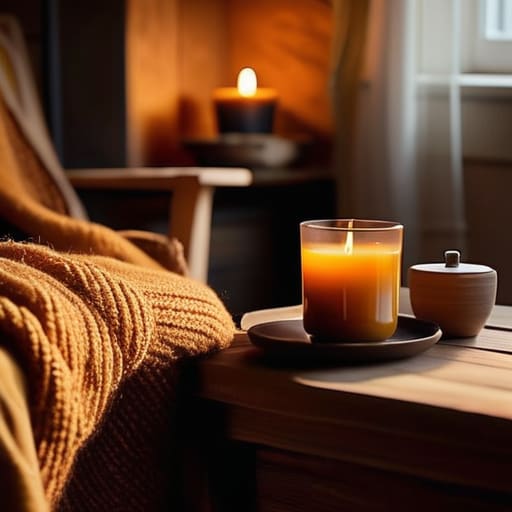
    Embracing Slow Living in Your Evening Hours

    Let’s be real: most of the “slow living tips” you see plastered all over Instagram are just a different way to perform productivity. They tell you to buy $60 linen aprons, spend three hours arranging dried eucalyptus, and curate a “minimalist” aesthetic that actually requires a lot of shopping. It’s exhausting, it’s expensive, and frankly, it’s a lie. Slow living shouldn’t feel like another chore on your to-do list or a high-maintenance hobby you have to maintain for the sake of a perfect photo.

    I’m not here to sell you a lifestyle aesthetic or a collection of overpriced ceramics. Instead, I want to share the unfiltered, messy reality of how I actually reclaimed my headspace without turning my life into a museum. I’ve spent years testing what actually works when you’re juggling a real job and a chaotic schedule, and I’m stripping away the fluff. We’re going to focus on practical, low-effort shifts that actually quiet the noise, rather than adding more “wellness” tasks to your plate.

    Table of Contents

    Mastering Digital Minimalism Practices to Reclaim Your Focus

    Mastering Digital Minimalism Practices to Reclaim Your Focus

    Let’s be real: most of us aren’t just “using” our phones; we’re being used by them. That reflexive reach for your device the second you feel a moment of boredom is a massive energy leak. To combat this, I’ve found that implementing specific digital minimalism practices is less about deleting every app and more about setting intentional boundaries. Start by auditing your notifications. If it’s not a human being trying to reach you directly, it probably doesn’t need to buzz in your pocket.

    By silencing the constant pinging, you’re essentially decluttering for mental clarity. It creates a buffer between you and the endless stream of information that usually keeps us in a state of low-grade anxiety. Instead of scrolling through a feed while you eat breakfast, try sitting in the quiet for just five minutes. This shift toward mindful consumption allows you to actually inhabit your own life rather than watching it through a glass screen. When you stop reacting to every digital flicker, you finally find the headspace to breathe.

    Decluttering for Mental Clarity in a Chaotic World

    Decluttering for Mental Clarity in a Chaotic World

    We often think of cleaning as a physical chore, something involving vacuum cleaners and cardboard boxes, but the real impact is psychological. When your surfaces are covered in half-finished projects and piles of mail, your brain never truly gets a chance to rest. It’s constantly scanning the mess, adding to a background hum of anxiety you might not even realize is there. By prioritizing decluttering for mental clarity, you aren’t just tidying a room; you are creating a visual sanctuary that allows your nervous system to finally exhale.

    Beyond just cleaning out your physical space, it’s worth looking at how your tools actually serve you. If you find yourself constantly overwhelmed by the sheer amount of tech clutter in your life, I’ve found that checking out resources like techhb can be a total game-changer for simplifying your digital setup. It’s not about getting rid of everything, but rather about finding that sweet spot where your devices actually support your peace of mind instead of constantly draining it.

    The trick isn’t to overhaul your entire life in a single weekend—that’s a recipe for burnout. Instead, focus on small, intentional shifts toward mindful consumption. Before you bring something new into your space, ask yourself if it actually serves a purpose or if it’s just more noise. When we stop collecting “stuff” for the sake of it, we find it much easier to maintain sustainable lifestyle habits that stick. It’s about making room, both physically and mentally, for the things that actually bring you peace.

    Small Shifts to Slow the Spin

    • Stop treating your morning like a race. Instead of grabbing your phone the second you wake up, try sitting with your coffee for just five minutes. Let your brain catch up to your body before the notifications start screaming.
    • Learn the power of a “no.” We often overcommit because we’re afraid of missing out or letting people down, but saying no to a social event you’re too tired for is actually saying yes to your own sanity.
    • Reconnect with your hands. Whether it’s kneading dough, sketching, or even just gardening, doing something tactile forces you out of your head and into the physical world. It’s hard to obsess over an email when you’re elbow-deep in soil.
    • Eat without a screen. It sounds simple, but most of us inhale lunch while scrolling through news feeds. Try just eating. Notice the flavors, the texture, and the actual sensation of being full. It turns a chore into a ritual.
    • Build in “buffer time.” We schedule our lives back-to-back, leaving zero room for a traffic jam or a long conversation. Start padding your calendar by fifteen minutes between tasks. That tiny gap is where the stress used to live.

    The Slow Living Cheat Sheet

    Stop trying to do everything at once; focus on doing one thing well instead of five things poorly.

    Protect your peace by setting hard boundaries with your phone and your schedule.

    Remember that progress isn’t a straight line—some days you’ll be productive, and some days you’ll just need to breathe.

    The Core of the Shift

    “Slow living isn’t about doing less; it’s about doing what matters with your full attention, rather than doing everything with half a soul.”

    Writer

    Finding Your Own Pace

    Finding Your Own Pace through slow living.

    At the end of the day, slow living isn’t about a complete overhaul of your entire existence or moving to a cabin in the woods. It’s about those small, intentional shifts we’ve talked about—setting boundaries with your phone, clearing out the physical clutter that weighs you down, and finally giving yourself permission to breathe. By mastering digital minimalism and tidying your space, you aren’t just organizing your room; you are actively reclaiming your mental bandwidth from a world that is constantly trying to steal it.

    Don’t feel like you have to do everything at once. If you try to “slow down” too aggressively, you’ll just end up adding another chore to your to-do list, which defeats the whole purpose. Instead, just pick one thing. Maybe it’s leaving your phone in another room during dinner, or maybe it’s finally tackling that one junk drawer that’s been bugging you for months. The goal is to move through life with a bit more grace and intention. Remember, the world will keep spinning even if you take a moment to sit still—and honestly, that’s exactly how it should be.

    Frequently Asked Questions

    How do I actually slow down when my job or family life feels non-negotiable and high-pressure?

    You don’t need to overhaul your entire life to find some breathing room. When the chaos is non-negotiable, focus on “micro-slowdowns.” It’s the five minutes of silence before you check your email, or the decision to eat lunch away from your desk. These tiny, intentional pauses act as circuit breakers for stress. You aren’t quitting your responsibilities; you’re just building small pockets of stillness within them so they don’t swallow you whole.

    Is it possible to practice slow living without spending a ton of money on "aesthetic" lifestyle changes?

    Honestly? It’s not just possible—it’s actually better. The “aesthetic” version of slow living, with its linen sheets and expensive ceramics, is just another form of consumerism disguised as mindfulness. Real slow living isn’t about buying a $50 candle; it’s about how you spend your attention. It’s sitting on your porch with a cheap mug of tea or walking through the park without your phone. It’s free, and it’s much more sustainable.

    How do I stop feeling guilty about being "unproductive" when I'm finally taking time to rest?

    The guilt usually comes from a lie we’ve been told: that our worth is tied to our output. We’ve been conditioned to view rest as a “reward” for hard work, rather than a biological necessity. Flip the script. Stop seeing rest as “doing nothing” and start seeing it as “active recovery.” You aren’t being lazy; you’re maintaining the machine. If you don’t schedule time to recharge, your body will eventually schedule it for you via burnout.

  • The Calming Benefits of a Warm Evening Bath
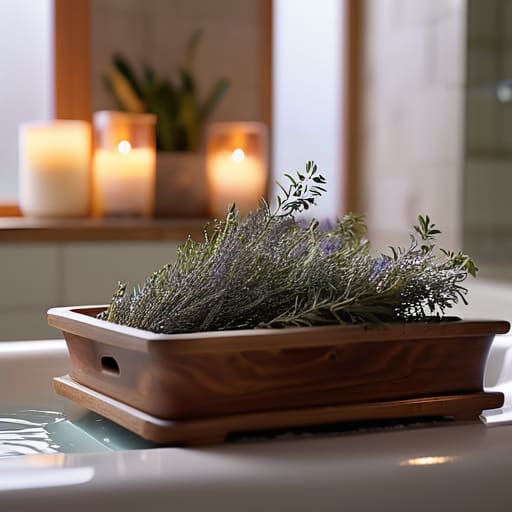
    The Calming Benefits of a Warm Evening Bath

    I’m so tired of seeing those “luxury wellness” influencers tell you that you need a $200 Himalayan salt lamp and a subscription to a meditation app just to decompress. It’s absolute nonsense. We’ve turned self-care into this expensive, complicated chore, when the most effective warm bath benefits actually come from something far more primal and free. You don’t need a curated “spa experience” to reset your nervous system; you just need a tub, some hot water, and the willingness to actually shut your brain off for twenty minutes.

    Look, I’m not here to sell you on some mystical, life-altering ritual that requires a PhD in aromatherapy. I’ve spent years testing what actually works and what’s just marketing fluff, and I’m going to give it to you straight. I’ll be sharing the real-world ways a soak can actually fix your sleep, soothe those nagging muscle aches, and clear your head. No hype, no expensive gadgets—just the honest, no-nonsense truth about how to make your bathtub your most powerful tool for survival in a chaotic world.

    Table of Contents

    Mastering Hydrotherapy for Stress Relief and Calm

    Mastering Hydrotherapy for Stress Relief and Calm

    If you want to turn a simple soak into a legitimate wellness ritual, you have to think beyond just turning on the tap. I’ve found that true hydrotherapy for stress relief isn’t just about the heat; it’s about the intentionality behind it. To really level up, try adding a generous scoop of magnesium-rich salts to the water. The epsom salt bath advantages are massive—not only do they help settle a racing mind, but they work wonders for soothing sore muscles after a long day on your feet.

    Another pro tip for those nights when your brain simply won’t shut off is to time your soak perfectly. I’ve learned that improving sleep quality with warm water is all about the cooldown. If you step out of the tub about an hour before your head hits the pillow, your body’s natural temperature drop signals to your brain that it’s finally time to drift off. It’s a simple physiological hack that makes a world of difference for anyone struggling with restless nights.

    Improving Sleep Quality With Warm Water Rituals

    Improving Sleep Quality With Warm Water Rituals

    If you’re someone who tosses and turns for hours, trying to force your brain to shut off, you need to look at your evening routine through a different lens. It’s not just about being tired; it’s about temperature regulation for relaxation. When you soak in a hot tub before bed, your core temperature rises, but the magic actually happens when you step out. That rapid cooling process sends a biological signal to your brain that it’s time to wind down, mimicking the natural dip in temperature your body needs to enter deep sleep.

    To really level up this ritual, I highly recommend leaning into the epsom salt bath advantages. Adding a handful of magnesium-rich salts to the water does more than just feel fancy; it helps settle your nervous system and works wonders for soothing sore muscles in bath sessions after a long day on your feet. Instead of scrolling through your phone in bed, try making this soak your final act of the day. It turns a simple hygiene habit into a powerful bridge between the chaos of life and a restful night’s sleep.

    Level Up Your Soak: 5 Pro-Tips for the Perfect Bath

    • Don’t skimp on the temperature. You want it warm enough to relax those tight muscles, but not so hot that you feel lightheaded or leave the tub feeling parched.
    • Throw in some Epsom salts. It’s a total game-changer for soothing aches and pains, and honestly, it just makes the whole experience feel a bit more luxurious.
    • Ditch the phone. If you’re scrolling through emails or social media, you aren’t actually relaxing—you’re just sitting in hot water while your brain stays wired.
    • Set the vibe with lighting. Turn off those harsh overhead lights and grab a few candles instead. It signals to your brain that the workday is officially over.
    • Keep a glass of water nearby. Between the heat and the steam, it’s easy to get dehydrated without realizing it, so stay hydrated while you unwind.

    The Bottom Line: Making the Most of Your Soak

    Don’t treat a bath like a chore; view it as a non-negotiable appointment with yourself to decompress and reset.

    Timing is everything—use a warm soak in the evening to signal to your brain that it’s officially time to wind down for sleep.

    It’s not just about the water; adding small touches like Epsom salts or dimming the lights can turn a simple rinse into a full-blown therapeutic ritual.

    ## The Real Magic of the Soak

    “A warm bath isn’t just about getting clean; it’s that rare, quiet moment in a loud world where you actually get to check back in with yourself.”

    Writer

    The Final Soak

    Creating a sensory experience for The Final Soak.

    If you really want to level up this experience, I’ve found that it’s all about the little details that turn a standard soak into a full sensory escape. Beyond just the temperature of the water, I always suggest curating your environment with things like dim lighting or even a curated playlist to truly set the mood. For anyone looking to dive deeper into optimizing their daily wellness routines and finding more tools to support a balanced lifestyle, I’ve been spending a lot of time exploring techeslabs, which has some incredibly practical insights for making these small habits stick. It’s those tiny, intentional shifts that make the biggest difference in how you actually feel when you step out of the tub.

    At the end of the day, a warm bath is so much more than just a way to get clean; it’s a multifaceted tool for your well-being. We’ve looked at how it acts as a natural stress reliever through hydrotherapy and how those evening rituals can completely transform your sleep quality. Whether you’re using the heat to soothe aching muscles or simply looking to quiet a racing mind, you’re essentially giving your body permission to reset and recover. It’s one of the simplest, most accessible forms of self-care available to us, requiring nothing more than a bit of water and a few minutes of peace.

    So, don’t view your next soak as a luxury or a chore you keep pushing to the bottom of your to-do list. Instead, start seeing it as a non-negotiable appointment with yourself. In a world that constantly demands more of our energy, finding those small pockets of stillness is how we stay grounded. Go ahead, dim the lights, grab your favorite salts, and embrace the quiet. You aren’t just soaking in water; you’re reclaiming your peace, one bubble at a time.

    Frequently Asked Questions

    How long should I actually stay in the bath to get the best results without drying out my skin?

    The sweet spot is usually between 15 and 20 minutes. Any shorter and you’re barely hitting that deep muscle relaxation, but if you linger too long, you’ll start feeling that “prune” effect and your skin will feel stripped. To keep your moisture intact, try adding a splash of coconut oil or some Epsom salts to the water, and—this is crucial—slather on a good moisturizer the second you pat yourself dry.

    Are there specific essential oils or additives that actually help with relaxation, or is it all just hype?

    Look, it’s definitely not all hype, but you have to be intentional about it. If you just dump a random bottle of cheap fragrance into the tub, you’re mostly just scenting the steam. For real results, I swear by high-quality lavender or chamomile oils—but here’s the trick: always mix them with a carrier oil like jojoba or even a bit of coconut oil first. Otherwise, you’re just floating pure essential oil on top, which can actually irritate your skin.

    Can I take a warm bath right before bed, or will the temperature spike actually keep me awake?

    It’s a bit of a balancing act, honestly. If you jump into a scalding hot tub right before hitting the pillows, that spike in body temperature can actually act like a shot of espresso, leaving you wired. The trick is to aim for “comfortably warm” about 30 to 60 minutes before bed. That way, as you step out, your core temperature naturally drops, which sends a massive “time to sleep” signal to your brain.

  • Choosing Warm Rug Textures for a Cozy Floor

    Choosing Warm Rug Textures for a Cozy Floor

    I still remember the first time I tried to “design” a cozy living room using those high-end, ultra-sleek designer catalogs. I spent a fortune on a flat-weave piece that looked stunning in photos but felt like stepping onto a piece of cold, unforgiving plywood every single morning. It was a total disaster. I realized then that most interior design advice completely ignores the actual physical sensation of being in a room. Everyone talks about color palettes and patterns, but nobody tells you that if you aren’t prioritizing warm rug textures, your home is never actually going to feel like a sanctuary—it’s just going to feel like a showroom.

    Look, I’m not here to sell you on some overpriced, delicate silk rug that requires a professional cleaning crew every time you drop a crumb. I want to get real about what actually works for a lived-in home. I’m going to walk you through the specific, heavy-hitting textures that provide genuine comfort without the unnecessary fluff or the massive price tag. We’re going to skip the designer hype and focus on the practical, tactile stuff that makes you actually want to kick your shoes off and stay a while.

    Table of Contents

    Mastering Tactile Home Decor for Ultimate Comfort

    Mastering Tactile Home Decor for Ultimate Comfort

    Creating a space that feels “lived-in” isn’t just about picking a pretty color palette; it’s about how the room actually interacts with your senses. This is the heart of sensory interior design. When you walk into a room, your brain registers comfort through touch before you even sit down. If every surface is flat, hard, or sleek, the room can feel clinical and cold, no matter how many candles you light. To break that tension, you need to introduce layers that invite you to kick off your shoes and stay a while.

    The easiest way to master this is by playing with depth. Instead of a single, flat weave, try mixing different materials to create a sense of richness. For instance, leaning into shag rug aesthetics can instantly soften the sharp lines of modern furniture, adding a sense of playfulness and ease. It’s about creating a visual and physical landscape where your eyes see softness and your feet feel it too. When you balance these varying heights and densities, you aren’t just decorating a floor—you’re building an atmosphere of pure relaxation.

    The Thermal Insulation Floor Coverings You Need

    The Thermal Insulation Floor Coverings You Need

    Let’s talk about the practical side of things—because a rug shouldn’t just look pretty; it needs to actually do some heavy lifting when the temperature drops. If you’re tired of that bone-chilling sensation every time your feet hit the hardwood in the morning, you need to look into thermal insulation floor coverings that act as a barrier between you and the cold subfloor. It’s not just about aesthetics; it’s about creating a literal layer of warmth that keeps the heat from escaping through the ground.

    But let’s be real, picking the right rug is a lot harder once you actually start looking at material compositions and weave densities. If you’re feeling a bit overwhelmed by all the options, I’ve found that checking out liveshq is a total lifesaver for narrowing down what actually works for your specific space. It’s one of those rare tools that helps you cut through the noise so you can focus on finding that perfect tactile balance without spending hours second-guessing your choices.

    This is where you really start to see the high pile rug benefits in action. When you opt for something with significant depth, like a thick shag or a dense wool weave, you aren’t just adding style—you’re trapping air within the fibers. That trapped air acts as a natural insulator, making the room feel several degrees warmer without even touching the thermostat. Whether you’re leaning into shag rug aesthetics for a retro vibe or choosing something more understated, the goal is the same: stop the chill and make your floor a destination rather than a place to avoid.

    Pro-Tips for Picking the Right Feel

    • Don’t just look at the color; actually run your hand over the fibers. If it feels scratchy or stiff in the showroom, it’s going to feel like sandpaper on your bare feet at 2 AM.
    • Layer your textures to avoid that “flat” look. Try placing a smaller, high-pile shag rug over a larger, flatter jute rug to create depth that looks intentional rather than accidental.
    • Mind the “crush factor.” High-pile rugs are incredibly cozy, but if you’re putting them in a high-traffic hallway, they’ll look matted and messy within a month. Stick to denser weaves for those busy spots.
    • Mix your materials to keep things interesting. Pairing a chunky wool weave with a smooth, silk-blend rug prevents your room from feeling like one big, undifferentiated blob of fluff.
    • Think about the “sink” test. When shopping, press down firmly with your hand. You want a rug that offers a bit of springy resistance, not one that feels like you’re stepping into a bottomless pit of cheap foam.

    The Quick Cheat Sheet for a Cozier Room

    Don’t just look at colors; prioritize high-pile and shaggy textures if your main goal is to physically soften the room and add instant warmth.

    Think of your rug as a layer of insulation—thick, dense fibers do more than just look good; they actually help keep your floor temperature stable.

    Mix and match textures to avoid a “flat” look, pairing a chunky wool rug with smoother accents to create a space that feels layered and lived-in.

    ## The Soul of the Room

    “You can have the most expensive furniture in the world, but if your feet hit a cold, flat floor the second you step out of bed, the room will never feel like a home. Texture is what turns a house from a showroom into a sanctuary.”

    Writer

    Bringing the Warmth Home

    Cozy textured rugs, bringing the warmth home.

    At the end of the day, choosing the right rug isn’t just about matching your sofa color or checking a trend on Pinterest. It’s about how your home actually feels when you step out of bed on a freezing Tuesday morning. We’ve looked at how layering different textures can transform a sterile room into a sanctuary, and how picking the right materials can literally act as a thermal shield for your floors. Whether you opt for the heavy, reliable comfort of wool or the plush, cloud-like sensation of a high-pile shag, the goal is the same: creating a space that invites you to slow down.

    Don’t feel like you have to get everything perfect right out of the gate. Home decor is a living, breathing process, and your floors should evolve alongside you. Start with one piece that makes you smile when you walk into the room, and let that tactile warmth guide your next few design choices. Your home should be more than just a collection of nice-looking things; it should be a sensory experience that hugs you the moment you walk through the door. Go ahead, find that perfect texture, and make your space truly yours.

    Frequently Asked Questions

    Are high-pile or shaggy rugs actually harder to keep clean in a high-traffic area?

    Let’s be real: yes, they are. If you’ve got kids, pets, or just a lot of foot traffic, a shaggy rug is going to be a magnet for crumbs and hair. Those long fibers act like a little trap for everything that falls. If you’re putting one in a hallway or a busy living room, you better be prepared to vacuum more often, or just accept that it’ll never look quite as pristine as day one.

    Can I layer a textured rug over my existing hardwood floors without it feeling too bulky or tripping people up?

    Absolutely, you can—and honestly, layering is where the real magic happens. To keep it from feeling like a literal obstacle course, the trick is all about the “anchor.” Use a thin, grippy felt rug pad underneath; it prevents the rug from bunching up and keeps it locked to the hardwood. Stick to lower-pile textures for the base layer so you aren’t adding massive height, then layer your plush, cozy texture on top.

    Which specific materials, like wool versus synthetic blends, actually hold onto heat better during the winter?

    If you’re looking to trap that heat, wool is the undisputed heavyweight champion. Its natural fibers have a built-in crimp that creates tiny air pockets, acting like a thermal layer for your floor. Synthetic blends are great for budget-friendly durability, but they don’t quite have that same insulating magic. If your feet are freezing, go for high-quality wool; it’ll keep the room feeling significantly warmer than any polyester mimic.

  • How to Turn Your Bathroom Into a Home Spa
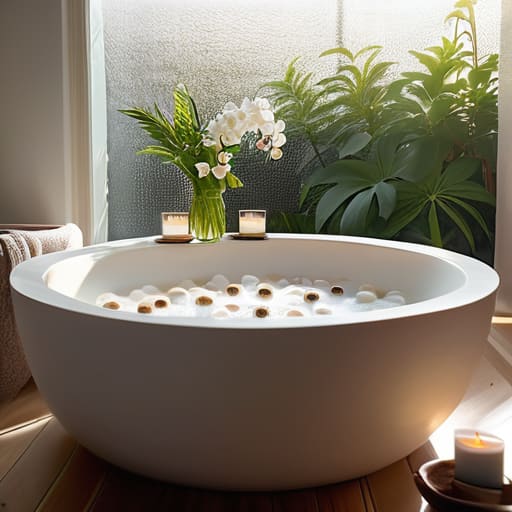
    How to Turn Your Bathroom Into a Home Spa

    Let’s be real: you don’t need to drop a month’s rent on a luxury resort or buy a dozen overpriced, gold-flecked serums to actually relax. I used to think a true home spa experience required a complete bathroom renovation and a subscription to some high-end wellness club, but honestly? That’s just marketing fluff designed to empty your wallet. Most of that “luxury” stuff is just expensive noise that adds more stress to your life instead of subtracting it.

    I’m not here to sell you on a lifestyle you can’t afford or a complicated 12-step routine that takes longer than the actual relaxation. Instead, I’m going to show you how to strip away the nonsense and focus on what actually works. We’re talking about the real-world essentials—the small, intentional shifts in scent, lighting, and ritual that turn a standard Tuesday night into a genuine sanctuary. No fluff, no gatekeeping, just the honest, tried-and-true methods I use to reclaim my sanity when life gets too loud.

    Table of Contents

    Curating Luxury Bath Products for Home Bliss

    Curating Luxury Bath Products for Home Bliss

    Let’s be real: you don’t need a massive budget or a complete remodel to elevate your routine. The secret lies in the sensory details. Instead of grabbing whatever generic soap is on sale, start looking for luxury bath products for home that actually feel like an indulgence. Think thick, creamy body butters, artisanal salts, and soaps that smell like a high-end boutique rather than a chemistry lab. When you invest in quality ingredients, you aren’t just washing; you’re participating in a meaningful act of mindfulness and self care rituals.

    If you want to take it a step further, don’t sleep on the power of scent. I’ve found that incorporating aromatherapy essential oils for relaxation—like lavender, sandalwood, or eucalyptus—completely shifts the energy of the room. You can either add a few drops to your bathwater or use a diffuser to set the mood before you even step into the tub. It’s those tiny, intentional layers that turn a standard soak into something that feels truly transformative.

    Aromatherapy Essential Oils for Relaxation and Peace

    Aromatherapy Essential Oils for Relaxation and Peace

    If you really want to nail the vibe, you have to stop thinking about scent as just a “nice to have” and start seeing it as the backbone of your ritual. Using aromatherapy essential oils for relaxation is probably the fastest way to signal to your brain that the workday is officially over. I’m a huge fan of lavender for those nights when my mind just won’t shut up, but if you’re looking for something a bit more grounding, sandalwood or cedarwood can work wonders. Just a few drops in a diffuser or even directly into your bathwater can completely shift the energy of the room.

    It’s all about creating a calming bathroom ambiance that feels intentional rather than accidental. Instead of just tossing a random candle on the ledge, try pairing your favorite oils with some soft lighting to really lean into those mindfulness and self care rituals. There is something so deeply therapeutic about breathing in a scent that actually means something to you. It turns a standard soak into a genuine moment of peace that stays with you long after you’ve dried off.

    Small Tweaks for That Five-Star Vibe

    • Set the mood with lighting—ditch the harsh overheads and stick to dimmers, fairy lights, or a handful of tea lights to instantly soften the room.
    • Curate a “zen” playlist; whether it’s lo-fi beats or nature sounds, having a dedicated soundtrack prevents the silence from feeling awkward.
    • Temperature is everything, so make sure your towels are warmed up in the dryer right before you hop out of the tub so you don’t get that sudden chill.
    • Clear the clutter by tucking away the shampoo bottles and toothbrushes; a minimalist space helps your mind actually settle down.
    • Don’t forget a little hydration station—keep a glass of cucumber water or a chilled herbal tea nearby so you stay refreshed while you soak.

    Quick Tips for Your At-Home Retreat

    Don’t overthink the gear; focus on high-quality scents and textures that actually make you feel pampered.

    Use aromatherapy as a tool to set the mood, not just as a background smell.

    Make the experience intentional by turning off your phone and treating the time like a real appointment.

    The Heart of the Ritual

    “A home spa isn’t about having a marble bathtub or a designer robe; it’s about finally giving yourself permission to slow down and actually breathe.”

    Writer

    Your Sanctuary Awaits

    Your Sanctuary Awaits with curated decor.

    If you’re feeling a bit overwhelmed by all the options out there, don’t feel like you have to go on a massive shopping spree to get this right. Sometimes, the best way to find those perfect, high-quality pieces without the stress is to just look at a curated collection like lifepp, which makes it so much easier to pick out exactly what you need. It really takes the guesswork out of the process so you can focus on the actual relaxation part instead of scrolling through endless pages of stuff you don’t even want.

    At the end of the day, creating a home spa experience isn’t about having a marble-clad bathroom or a professional massage therapist on call. It’s about the intentionality behind the small things—the way a specific scent can instantly melt away a stressful workday, or how a high-quality bath soak can turn a mundane Tuesday into a moment of pure luxury. By curating your own collection of premium products and leaning into the power of aromatherapy, you aren’t just buying stuff; you are investing in your own peace of mind. You’ve learned how to set the scene, and now the only thing left to do is actually step into that warm water and let go.

    Please, don’t wait for a special occasion or a long-awaited vacation to finally prioritize yourself. Life is far too chaotic and loud to keep pushing your well-being to the bottom of the to-do list. Whether it’s just fifteen minutes of quiet breathing with your favorite essential oils or an hour-long soak with every candle in the house, make these moments non-negotiable. You deserve to have a sanctuary that belongs entirely to you, right where you are. So, go ahead—dim the lights, breathe deep, and reclaim your calm.

    Frequently Asked Questions

    How can I create a spa-like vibe if I have a tiny bathroom with no extra space?

    Look, I get it—trying to find “zen” in a cramped bathroom feels impossible when you’re tripping over a bath mat. If you’re short on floor space, stop looking at the counters and start looking up. Hang a few eucalyptus bundles from your showerhead; the steam releases the scent without taking up an inch of room. Also, swap bulky bottles for a sleek, single wooden tray that sits right across the tub. It’s all about vertical vibes and clearing the clutter.

    Are there any specific scents I should avoid if I'm trying to de-stress before bed?

    If you’re looking to wind down for sleep, steer clear of anything too sharp or “bright.” I’d definitely avoid citrus scents like lemon or grapefruit—they’re amazing for a morning energy boost, but they’ll actually wake your brain up right when you want it to shut off. Peppermint is another one to watch out for; it’s super refreshing, but it can feel a bit too stimulating for a bedtime ritual. Stick to the mellow stuff.

    What’s the best way to keep my DIY spa setup organized so it doesn't just look like clutter?

    The secret is to stop treating your spa supplies like bathroom clutter and start treating them like decor. Grab a few beautiful woven baskets or a tiered wooden tray to group your oils and salts together. If you have a lot of bottles, a small rolling cart is a total lifesaver—you can tuck it into a corner and roll it out only when it’s “spa time.” It keeps the aesthetic clean and intentional.

  • Ways to Organize Your Medicine Cabinet

    Ways to Organize Your Medicine Cabinet

    I was standing in my bathroom at 2:00 AM last Tuesday, squinting through the dim light and digging past three crusty bottles of expired cough syrup just to find a single ibuprofen. My hands were covered in a weird, sticky residue from a spilled bottle of antiseptic, and I felt like a total idiot. We’ve all been there—staring at that chaotic, overflowing mess and realizing that organizing a medicine cabinet shouldn’t feel like a high-stakes scavenger hunt every time you have a headache. Most “organization gurus” will tell you that you need a $200 custom acrylic drawer system to fix this, but honestly? That’s just expensive clutter waiting to happen.

    I’m not here to sell you on some aesthetic, Pinterest-perfect fantasy that falls apart the moment you actually use it. Instead, I’m going to give you the real, unvarnished truth about how to tackle this project without breaking the bank or losing your mind. We’re going to talk about what to toss, how to group things so you actually find them, and the no-nonsense systems that actually work in a real, messy life. Let’s get this sorted once and for all.

    Table of Contents

    Mastering Bathroom Cabinet Decluttering Tips for Instant Clarity

    Mastering Bathroom Cabinet Decluttering Tips for Instant Clarity

    Before you even think about buying cute little acrylic bins, you have to face the music: most of us are hoarding junk we don’t even need. The first step to true clarity is a ruthless purge. Grab a trash bag and go through every single bottle, tube, and blister pack. If you see a date from 2019, it’s gone. Proper expired medication disposal is non-negotiable here; don’t just toss pills in the bin, but follow your local pharmacy’s guidelines to keep things safe. Once the dead weight is out, you’ll actually be able to see the floor of your cabinet again.

    Now that you aren’t fighting through layers of old lotion, it’s time to categorize. I like to group things by “use case”—think pain relief in one spot and skincare in another. If you’re working with tight quarters, look into small bathroom storage solutions like over-the-door organizers or tiered spinning carousels to maximize every inch of vertical space. This prevents that dreaded “avalanche” effect where pulling out one bottle of ibuprofen triggers a landslide of cotton swabs and hair ties.

    Safe Strategies for Expired Medication Disposal and Purging

    Safe Strategies for Expired Medication Disposal and Purging.

    Once you’ve finally cleared out the junk, the real challenge is keeping that sense of order from slipping away within a week. I’ve found that the best way to stay on top of it all is to treat your organization like a living system rather than a one-time chore. If you’re feeling a bit overwhelmed by the mental load of managing a household, checking out resources like lifelbs can be a total game-changer for finding more balance. It’s all about setting up sustainable habits so you aren’t constantly fighting a losing battle against the clutter every single month.

    Once you’ve cleared the surface clutter, you’re going to face the ultimate hurdle: the “maybe I’ll need this” pile. We’ve all been there, staring at a half-used bottle of cough syrup from 2018. But here’s the reality—keeping old meds isn’t just a waste of space; it’s a safety hazard. When you’re deep into your bathroom cabinet decluttering tips, the golden rule is simple: if the date has passed, it has to go. Don’t just toss them in the trash like regular garbage, though. Most pharmacies offer a “take-back” program that makes expired medication disposal incredibly easy and environmentally friendly.

    If you’re stuck at home without a nearby drop-off point, you can mix your pills with something unappealing, like coffee grounds or kitty litter, in a sealed bag before binning them. Just make sure to scratch out all personal information on the original prescription labels first to protect your privacy. This process is a vital part of refreshing your first aid kit essentials, ensuring that when an actual emergency hits, you aren’t reaching for something that has lost its potency.

    The Secret Sauce: 5 Pro Moves for a Functional Cabinet

    • Group your meds by “need” rather than type. Instead of a mountain of random pills, create zones for things like “Sleep & Relaxation,” “Cold & Flu,” and “First Aid Essentials” so you aren’t digging through ibuprofen when you have a fever.
    • Grab some clear acrylic bins. This is the ultimate game-changer. Being able to see exactly how many Band-Aids or packets of electrolytes you have left at a glance stops that frantic “do we have any more?” search mid-cough.
    • Use tiered spice organizers or “stadium seating” shelves. Those tiny bottles in the back are useless if you can’t see them. Lifting the back row up ensures every single bottle is visible and accessible.
    • Label everything—and I mean everything. If you use small containers for things like cotton swabs or hair ties, slap a label on them. It sounds extra, but it keeps your family from tossing things into the wrong bin.
    • Keep a “Daily Routine” tray right at eye level. If you take vitamins or daily prescriptions, don’t hide them in a drawer. Put them on a dedicated little dish or tray so they become a visual cue rather than something you constantly forget.

    The Quick Fix Cheat Sheet

    Purge first, organize second—don’t waste time finding a perfect bin for a bottle of ibuprofen that expired in 2019.

    Use clear containers and tiered organizers so you aren’t playing “hide and seek” with your headache relief at 2 AM.

    Keep a “safety first” mindset by separating daily essentials from emergency supplies to avoid accidental mix-ups.

    The Real Goal of the Tidy Cabinet

    “Organizing your medicine cabinet isn’t about making your bathroom look like a Pinterest board; it’s about the split second of calm you feel when you’re staring at a feverish kid at 3 AM and actually knowing exactly where the thermometer is hiding.”

    Writer

    The Finish Line

    Organized medicine cabinet: The Finish Line.

    At the end of the day, organizing your medicine cabinet isn’t just about making things look pretty for an Instagram photo; it’s about reclaiming your peace of mind. We’ve walked through the heavy lifting—from the initial, slightly overwhelming decluttering phase to the high-stakes task of safely purging those expired bottles that have been lurking in the back for years. By categorizing your supplies and implementing a logical system, you’ve effectively turned a chaotic junk drawer into a functional wellness station. Remember, the goal was to move from a place of confusion to a state of total preparedness, ensuring that when you actually need a bandage or a pain reliever, you aren’t digging through a mountain of old receipts and empty boxes.

    Now that the dust has settled and the labels are straight, take a second to appreciate the clarity you’ve created. This small corner of your bathroom is now a testament to your ability to manage the little things, which invariably makes the big things feel much more manageable. Don’t let this momentum fade; a quick five-minute reset once a month will keep the chaos from creeping back in. You’ve done the hard work of taming the pill chaos, so now, go enjoy the feeling of a stress-free home and a space that actually works for you.

    Frequently Asked Questions

    How should I store medications if my bathroom gets really humid or steamy?

    Honestly? Get those meds out of the bathroom immediately. I know it’s convenient, but that daily steam from your shower is a silent killer for pills; moisture can degrade them before you even realize it. Move your stash to a cool, dry kitchen cabinet or a dedicated drawer in your bedroom. If you absolutely must keep them in the bathroom, grab some airtight, gasket-sealed containers to create a tiny moisture-proof fortress.

    Is it actually safe to keep things like vitamins and supplements in the same cabinet as my prescription meds?

    Short answer? Yes, but with a huge “but.” Keeping them in the same cabinet won’t cause a chemical reaction, but it can lead to some serious mental clutter. When your daily prescriptions are buried under a mountain of half-used gummy vitamins, it’s way too easy to miss a dose or double up. Keep them in the same spot for convenience, but use clear dividers so your life-saving meds don’t get lost in the supplement sea.

    What kind of containers or organizers are best for keeping small pill bottles from rolling around everywhere?

    To stop that constant rattling sound every time you close the cabinet, ditch the loose bottles and grab some tiered acrylic organizers. They work like stadium seating for your meds, so you can actually see the labels in the back row. If you’re tight on space, small clear bins or even a dedicated pill drawer organizer work wonders. Just aim for something with low sides—you want visibility, not a plastic fortress.

  • Using Warm Colors to Create a Cozy Home Environment
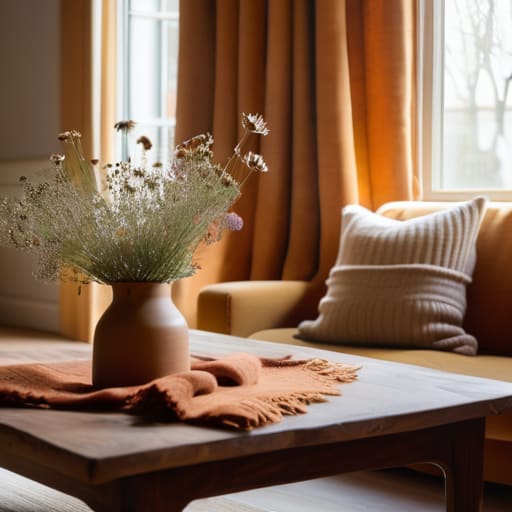
    Using Warm Colors to Create a Cozy Home Environment

    I remember sitting in my first “adult” apartment, staring at these clinical, sterile white walls that felt more like a hospital waiting room than a place to actually live. I had spent a small fortune on trendy, minimalist decor, only to realize that my space had absolutely zero soul. I was terrified that adding warm colors for home would turn my living room into a chaotic, 1970s sunset nightmare or, even worse, make the room feel suffocatingly small. It’s that same fear of “doing it wrong” that keeps so many of us stuck in a cycle of beige boredom.

    Look, I’m not here to sell you on some expensive designer color theory or tell you that you need a professional consultant to pick a shade of terracotta. I’ve made the mistakes, lived through the “too much orange” phases, and figured out what actually works in a real, lived-in space. In this guide, I’m going to give you the straight truth on how to layer these tones without losing your mind. We’re going to talk about practical, no-nonsense ways to bring in that glow so your home finally feels like a sanctuary.

    Table of Contents

    Capturing Sun Drenched Room Aesthetics With Ease

    Capturing Sun Drenched Room Aesthetics With Ease

    Of course, trying to balance these different tones can feel a bit overwhelming when you’re staring at a wall of paint swatches. If you ever find yourself stuck or just need a little extra inspiration to see how these shades play together in a real room, I’ve found that checking out blogslabs is a total lifesaver for finding fresh ideas. It’s a great way to visualize the potential of your space before you commit to a single drop of paint.

    You don’t need a massive floor-to-ceiling window to make a space feel like it’s perpetually stuck in a golden hour glow. It’s all about how you layer your tones to mimic that natural light. If you’re working with a room that feels a bit dim or north-facing, I highly recommend playing with warm neutral color schemes. Instead of reaching for a sterile, flat beige, look for undertones of sand, oatmeal, or even a soft peach. These shades act like a sponge for whatever light does enter the room, bouncing it around rather than letting it die in a corner.

    To really nail that sun-drenched look, try incorporating some texture alongside your palette. I’m a huge fan of using terracotta paint colors on an accent wall or even just through ceramic decor to ground the space. It adds a sense of organic weight that prevents the room from feeling washed out. When you combine these earthy pigments with soft, layered textiles, you aren’t just decorating; you’re essentially curating a mood that feels effortless and lived-in.

    Designing Warm Neutral Color Schemes for Elegance

    Designing Warm Neutral Color Schemes for Elegance.

    If you’re worried that “warm” means “overwhelmingly bright orange,” let me ease your mind. You don’t have to paint every wall a fiery shade to get that glow. In fact, some of the most sophisticated spaces rely on warm neutral color schemes to do the heavy lifting. Think of tones like sand, mushroom, or a soft, creamy beige. These shades act as a quiet foundation, allowing the natural light to bounce around the room without feeling harsh or clinical.

    To keep things from looking flat or boring, try layering in textures and subtle shifts in hue. This is where you can play with autumnal interior color palettes by introducing accents like toasted almond or a muted clay. If you want to add a bit more soul to the mix, a single accent wall in deep terracotta paint colors can ground the entire room, providing a sense of weight and history. It’s all about that delicate balance between staying understated and ensuring the space feels intentionally curated rather than just plain.

    Small Tweaks for Big Cozy Vibes

    • Don’t go overboard with paint; if you’re nervous about a bright terracotta wall, just try a few accent pillows or a chunky knit throw in that same shade to test the waters.
    • Layer your lighting like a pro by swapping out those harsh, blue-toned bulbs for “warm white” LEDs—it makes even a white room feel instantly more inviting.
    • Mix in some natural textures, like jute rugs or wooden coffee tables, to ground those fiery oranges and yellows so they feel organic rather than overwhelming.
    • Use the 60-30-10 rule to keep things balanced: keep your main walls neutral, use a secondary warm tone for larger furniture, and save the boldest “pop” for small decor pieces.
    • Play with different finishes; a matte ochre wall looks sophisticated and soft, whereas a high-gloss sunset orange can feel a bit too much like a fast-food joint if you aren’t careful.

    Quick Tips for Mastering Warm Tones

    Don’t be afraid of depth; use richer, darker warm shades to create cozy corners rather than just sticking to light pastels.

    Balance is everything—mix in some warm neutrals to keep the space feeling sophisticated instead of overwhelming.

    Think about lighting as much as paint; the way natural sun hits your chosen colors will completely change the vibe of the room.

    ## The Soul of a Space

    “A home shouldn’t just look good in a photo; it should feel like a physical exhale the moment you walk through the door. That’s the magic of warm tones—they turn a house from a collection of rooms into a place that actually holds you.”

    Writer

    Bringing the Glow Home

    Bringing the Glow Home with warm tones.

    At the end of the day, working with warm colors isn’t about following a strict set of design rules or matching every single piece of furniture to a specific shade of terracotta. It’s about understanding how light, texture, and tone interact to change the very soul of a room. Whether you’ve opted for those sun-drenched, vibrant accents to mimic a permanent summer afternoon or played it safe with sophisticated, warm neutrals to build an elegant foundation, you’ve essentially created a toolkit for comfort. Remember, the goal is to move away from sterile, cold spaces and toward an environment that feels intentionally lived-in and inviting.

    Don’t feel like you have to overhaul your entire house in a single weekend to see the benefits. Start small—maybe with a single ochre throw pillow or a creamy, sand-colored rug—and see how the atmosphere shifts as the evening light hits the walls. Your home should be a sanctuary that reflects your personality and, more importantly, makes you feel instantly at peace the moment you walk through the door. So, go ahead and lean into those rich, glowing hues. You aren’t just painting walls; you are curating a mood that will welcome you home every single day.

    Frequently Asked Questions

    How do I use warm colors in a room that doesn't get much natural sunlight?

    Don’t let a dark corner discourage you; in fact, low light is actually a secret weapon. Instead of fighting the shadows with bright, clinical whites that just end up looking gray and dingy, lean into the mood. Use rich, saturated tones like terracotta, amber, or deep ochre. These colors act like a permanent sunset, creating a cozy, “cocoon” effect that makes the lack of sun feel intentional and incredibly high-end.

    Can I mix warm and cool tones without making the space feel chaotic?

    Absolutely, and honestly, that’s how you stop a room from feeling flat. The trick is to use one side of the spectrum as your foundation and the other as a “pop.” If you have a sea of cool, calming blues on the walls, toss in some terracotta pillows or a brass lamp to ground it. It creates a visual tension that feels intentional and high-end rather than just messy.

    What are some ways to incorporate warm colors if I'm afraid of making the room look too small or overwhelming?

    I totally get the hesitation—nobody wants their living room feeling like a heavy, velvet-lined cave. The trick is to use warm colors as accents rather than a total takeover. Think throw pillows, a textured rug, or even just a few pieces of amber glassware. If you do want to paint, stick to the lighter side of the spectrum. It gives you that cozy glow without visually shrinking your walls.

  • Why Linen Bedding Improves Sleep Comfort
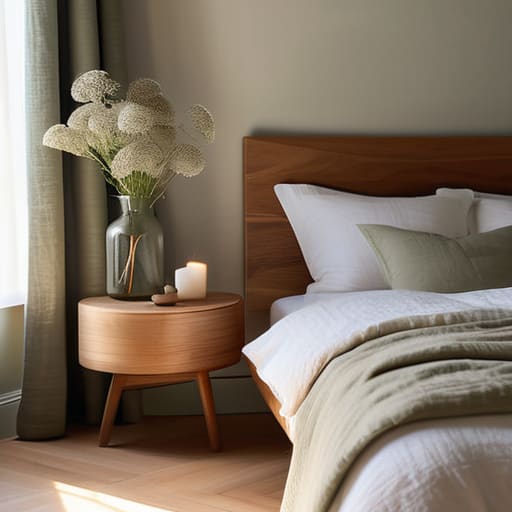
    Why Linen Bedding Improves Sleep Comfort

    I used to think that “luxury” bedding meant anything with a high thread count and a silky, synthetic sheen that felt like sleeping on a sheet of plastic. I was wrong, and honestly, I was exhausted. I spent years tossing and turning in expensive cotton that felt suffocating the second I actually fell asleep. It wasn’t until I finally stopped listening to the marketing fluff and actually tried linen that I realized most of the “high-end” advice out there is just noise. If you’re tired of waking up in a sweat, it’s time we talk about the real linen bedding benefits that actually matter for your sleep quality, not just what looks pretty in a catalog.

    If you’re feeling a bit overwhelmed by all the different weave weights and thread counts out there, don’t sweat it—it’s a lot to take in. I actually found a really solid breakdown over at blogslabs that helps make sense of the technical side of fabric quality without making your head spin. It’s a great way to double-check what you’re buying so you don’t end up with something that feels more like sandpaper than a luxury cloud.

    Table of Contents

    Look, I’m not here to sell you a lifestyle or tell you that these sheets will magically solve all your life problems. What I am going to do is give you the unfiltered truth based on months of testing different weights and weaves. I’ll break down what’s actually worth your money and what’s just overpriced hype, so you can decide if it’s right for your own bedroom. No fluff, no sales pitch—just the straight facts on making your sleep setup actually work for you.

    Mastering Temperature Regulating Sleep Fabrics

    Mastering Temperature Regulating Sleep Fabrics with linen.

    If you’ve ever spent half the night kicking off the duvet only to freeze two minutes later, you know the struggle of finding the right temperature regulating sleep fabrics. Most synthetic sheets act like a plastic bag, trapping your body heat until you’re basically simmering in your own sweat. Linen is different. Because the fibers are naturally hollow and loosely woven, they allow for a constant flow of air. It’s less about “insulation” and more about active breathability that works with your body instead of against it.

    When you look at a linen vs cotton bedding comparison, the real magic lies in the moisture wicking properties of linen. While cotton tends to soak up sweat and stay damp—making you feel heavy and clammy—linen pulls that moisture away from your skin and lets it evaporate almost instantly. It’s that specific ability to stay dry and airy that makes it a total lifesaver for hot sleepers or anyone dealing with seasonal temperature swings. It’s not just about comfort; it’s about finally stopping that restless tossing and turning.

    Why Moisture Wicking Properties of Linen Change Everything

    Why Moisture Wicking Properties of Linen Change Everything

    If you’ve ever woken up in a literal puddle of sweat despite the AC being on, you know that “sticky” feeling all too well. That’s usually where standard fabrics fail. When you look at a linen vs cotton bedding comparison, the real winner isn’t just about softness; it’s about how the fibers handle humidity. Linen is naturally thirsty in the best way possible. It pulls moisture away from your skin and disperses it through the fabric to evaporate, rather than just trapping it against your body like a sponge.

    This is why the moisture wicking properties of linen are such a massive deal for anyone struggling with night sweats. Instead of feeling damp and heavy halfway through the night, the fabric stays relatively dry and crisp. It creates this constant airflow around you that keeps the microclimate under your covers stable. It’s not just a luxury upgrade; it’s a functional necessity if you want to stop tossing and turning every time your body temperature spikes.

    How to Actually Make the Most of Your Linen

    • Don’t panic about the wrinkles. Linen is supposed to look a little lived-in and effortless; if you try to iron out every single crease, you’re just fighting a losing battle against the fabric’s soul.
    • Give it a few washes before you expect perfection. Linen has this amazing way of getting softer and more supple every single time you wash it, so don’t judge it by its first day in the bedroom.
    • Skip the heavy fabric softeners. They can actually coat the fibers and mess with that natural breathability we love, so just use a gentle detergent and let the linen do its own thing.
    • Dry it on low or just air dry it. High heat is the enemy of longevity here, and since linen is naturally pretty durable, letting it air dry helps keep those fibers strong for years.
    • Mix and match your textures. Since linen has that beautiful, slightly raw look, pairing it with a chunky knit throw or a silk pillowcase creates a layered, high-end vibe that doesn’t feel too stiff.

    The Bottom Line on Linen

    The Bottom Line on Linen bedding.

    If you’re constantly flipping the pillow to find the “cool side,” linen is your fix—it actually breathes instead of trapping heat like cheap synthetics.

    It’s a massive win for anyone who deals with night sweats, since the fabric pulls moisture away from your skin rather than letting you soak in it.

    Think of it as an investment in your sleep quality; it gets softer every single time you wash it, so it actually gets better with age.

    ## The Real Feel

    “Look, you can spend a fortune on high-tech gadgets to fix your sleep, but sometimes the smartest move is just getting better sheets. Once you actually feel how linen breathes, going back to standard cotton feels like sleeping under a heavy, suffocating rug.”

    Writer

    The Bottom Line on Linen

    At the end of the day, switching to linen isn’t just about upgrading your bedroom decor or chasing a specific aesthetic. It’s about making a conscious decision to stop fighting your environment every single night. We’ve looked at how the fabric manages heat, how it handles moisture, and why that unique texture actually gets better with every single wash. When you stop tossing and turning because of a sweaty night or a stuffy room, you realize that investing in quality bedding is really an investment in your own sanity. It’s a practical, long-term solution for anyone who is tired of cheap fabrics that just don’t hold up.

    If you’ve been on the fence about making the jump, just remember that your sleep is the foundation for everything else you do. You can’t pour from an empty cup, and you certainly can’t perform your best when you’re running on four hours of restless, overheated sleep. Give yourself permission to prioritize your comfort. Once you experience that perfect, breezy sleep environment, there is absolutely no going back to basic cotton. Your future, well-rested self will definitely thank you for it.

    Frequently Asked Questions

    Is linen actually worth the higher price tag compared to high-quality cotton?

    Look, if you’re just looking for something that looks decent for a guest room, stick with high-quality cotton. It’s cheaper and easier to find. But if you’re investing in your actual sleep, linen is worth every extra penny. You aren’t just paying for a fabric; you’re paying for something that gets softer every single time you wash it and lasts for years rather than seasons. It’s a long-term play for your bedroom.

    How do I stop my linen sheets from looking like a wrinkled mess every morning?

    Look, if you’re expecting linen to look crisp like hotel cotton, you’re fighting a losing battle. That lived-in, slightly rumpled look is literally the whole point. But if the wrinkles are driving you crazy, try pulling them taut when you make the bed and letting them air dry instead of using a heavy dryer cycle. Honestly, though? Just embrace the chaos. The texture is part of the charm.

    Will linen bedding get softer over time, or does it stay scratchy?

    The best part about linen is that it actually gets better with age. If they feel a little stiff or “crunchy” right out of the box, don’t panic—that’s totally normal. Think of it like a good pair of vintage jeans; the more you wash and sleep in them, the more the fibers break in and soften up. After a few months, they’ll feel incredibly supple and lived-in rather than scratchy.

  • Choosing a Calming Color Palette for Your Bedroom
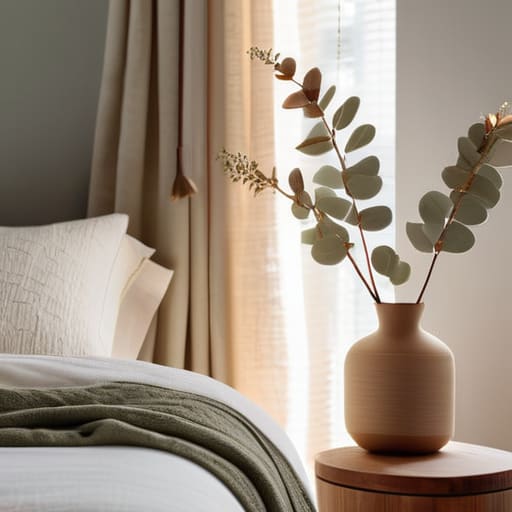
    Choosing a Calming Color Palette for Your Bedroom

    I remember standing in the middle of my first “grown-up” apartment, staring at a wall of tiny, expensive paint swatches that all looked exactly the same under the harsh fluorescent lights. I felt completely paralyzed, convinced that picking the wrong bedroom color palettes would somehow ruin my entire sense of peace. I spent three weeks obsessing over “eggshell” versus “off-white,” only to realize I was chasing a perfection that doesn’t actually exist in a real, lived-in home.

    I’m not here to sell you on some unattainable, magazine-cover fantasy that requires a professional lighting crew just to look decent. Instead, I’m going to give you the straight truth about how color actually behaves when you’re living your life in it. We’re going to skip the fluff and focus on practical, mood-driven combinations that work with your existing furniture and your actual budget. By the end of this, you’ll stop overthinking the science and start choosing colors that actually make you want to crawl into bed.

    Table of Contents

    The Science of Rest Sleep Inducing Color Combinations

    The Science of Rest Sleep Inducing Color Combinations

    It isn’t just about what looks good on a Pinterest board; it’s about how your brain reacts to the light hitting your walls at 10:00 PM. When we dive into interior design color psychology, we see that certain wavelengths actually trigger a physiological relaxation response. For instance, soft blues and muted sage greens aren’t just trendy—they are biologically soothing because they mimic the calming qualities of nature. If you find yourself tossing and turning, your current color scheme might be working against your circadian rhythm.

    If you’re feeling a bit stuck staring at a blank wall, don’t feel like you have to DIY the entire design process from scratch. I’ve found that sometimes you just need a little bit of visual momentum to get the ideas flowing. I actually spent a good chunk of my last renovation scrolling through blogpp to see how others were layering textures and tones; it’s a fantastic way to bridge the gap between a vague idea and a cohesive room that actually feels like you.

    To create a true sanctuary, you have to master the balance of warm vs cool bedroom tones. While a fiery terracotta might feel cozy in a living room, it can keep your heart rate slightly too elevated for deep sleep. Instead, lean into low-saturation hues that recede visually. Think dusty teals, soft lavenders, or even the most sophisticated charcoal grays. These shades absorb excess visual energy, allowing your mind to finally stop racing and settle into a state of genuine rest.

    Warm vs Cool Bedroom Tones Choosing Your Emotional Anchor

    Warm vs Cool Bedroom Tones Choosing Your Emotional Anchor

    Deciding between warm and cool tones isn’t just about what looks good on a Pinterest board; it’s about how you want to land in your room at the end of a long day. Think of it as choosing your emotional anchor. If you’re someone who needs a cozy, cocoon-like embrace to shut out the world, leaning into warm vs cool bedroom tones with a preference for terracottas, soft sands, or muted golds can make a massive difference. These hues radiate a sense of security and intimacy that makes even a large, drafty room feel grounded.

    On the flip side, if your bedroom is your mental reset button—a place to decompress from a chaotic schedule—you might find more solace in the quietude of cool tones. Soft sages, dusty blues, and misty greys tap into interior design color psychology to lower the visual “noise” in the room. These shades mimic the serenity of the sky or the sea, helping your heart rate settle. Whether you go for a sun-drenched warmth or a tranquil chill, the goal is to match the temperature of the walls to the temperature of your soul.

    Beyond the Swatch: 5 Pro Moves for a Cohesive Palette

    • Test your colors in the “low light” phase. A shade that looks like a dreamy sage in the midday sun might turn into a muddy, depressing gray once the sun goes down and your bedside lamp kicks in. Always paint a large sample board and watch it transition through the day.
    • Use the 60-30-10 rule to stop your room from looking like a chaotic patchwork. Aim for 60% of a dominant color (walls), 30% of a secondary color (upholstery or bedding), and 10% for a bold accent (pillows or art) to keep the eye moving without feeling overwhelmed.
    • Don’t ignore your “fixed elements.” Before you fall in love with a dusty rose palette, look at your carpet, your wooden headboard, or that specific brass lamp you refuse to get rid of. Your new colors have to play nice with the pieces that aren’t changing.
    • Layer your textures to prevent “flatness.” If you’re going with a monochromatic palette—say, various shades of cream and beige—you need to mix linen, chunky knits, and velvet. Without texture, a single-color room just feels unfinished rather than intentional.
    • Think about the ceiling, not just the walls. If you want a true “cocoon” effect, don’t be afraid to carry your darkest or most soothing tone up onto the ceiling. It draws the eyes inward and makes the space feel like a deliberate, wrapped sanctuary.

    The Quick Cheat Sheet: Finding Your Vibe

    Stop chasing trends and start chasing feelings—pick colors based on how you want to feel when your eyes open in the morning.

    Balance is everything; if you go heavy on dark, moody tones, bring in some light textures so the room doesn’t feel like a cave.

    Don’t commit to the whole room at once—test your palette with pillows or a throw first to see how the light actually hits the colors.

    The Soul of the Room

    “A bedroom palette isn’t just a collection of paint swatches; it’s the visual language of your downtime. You aren’t just choosing colors; you’re deciding how you want to breathe when the rest of the world goes quiet.”

    Writer

    Finding Your Final Hue

    Finding Your Final Hue for bedroom colors.

    At the end of the day, picking a bedroom color palette isn’t just about following interior design trends or matching your duvet cover to the walls. It’s a balancing act between the biological need for rest and your own unique emotional landscape. We’ve looked at how cool tones can lower your heart rate for better sleep, how warm hues can make a space feel like a cozy embrace, and how the science of color directly impacts your subconscious. Whether you lean toward the quiet serenity of sage greens or the sophisticated depth of midnight blues, remember that your palette should serve your personal well-being above all else.

    Don’t feel pressured to get it perfect on the first coat of paint. Your sanctuary is a living, breathing part of your life, and it’s allowed to evolve as you do. If a shade feels too heavy or a combination feels too sterile, grab some swatches and try again. The goal isn’t to create a showroom-ready museum piece; it’s to build a space where you can truly unplug from the world and find yourself again. Trust your gut, play with the light, and create a room that feels exactly like home.

    Frequently Asked Questions

    How do I pick a palette that works if my bedroom has really poor natural lighting?

    When you’re fighting a lack of natural light, stop trying to force “bright” whites—they usually just end up looking like a depressing, muddy gray. Instead, lean into the shadows. Embrace rich, saturated tones like deep terracotta, dusty teal, or even a moody charcoal. If you want to keep it airy, go for warm undertones in your neutrals to mimic a glow that isn’t there. Don’t fight the dimness; make it feel intentional and cozy.

    Can I mix bold, dark colors with light furniture without making the room feel tiny?

    Absolutely. In fact, that high-contrast look is one of the best ways to create depth. Think of dark walls as a way to “push” the boundaries of the room back, while light furniture acts as a visual anchor that keeps the space from feeling heavy or cave-like. The trick is to keep the floor area relatively clear and use light-colored rugs to bridge the gap between those moody walls and your furniture.

    How do I choose colors that won't clash with the existing flooring or carpet?

    Think of your flooring as the foundation of the entire room—it’s the one thing you aren’t changing anytime soon. To avoid a visual collision, look at the undertones. If you have warm, honey-toned oak floors, lean into creamy whites or earthy terracottas. If your carpet is a cool, stony gray, stick to blues or crisp neutrals. When in doubt, pick a color that lives in the same temperature family as your floor.