I still remember sitting on a rusted pier in a tiny village in the Cyclades, nursing a lukewarm beer and watching the sun dip below the horizon. There was no influencer posing in a designer bikini, no pre-booked “luxury excursion” package, and absolutely no overpriced buffet. Just the smell of salt, the sound of waves hitting the rocks, and the realization that I had finally stopped performing my vacation. Most people think traveling to islands means booking a five-star resort and following a rigid itinerary, but that’s exactly how you end up feeling more exhausted than when you left.
Of course, none of this planning actually matters if you end up stuck in a logistical nightmare with missed ferries or lost bookings. I’ve learned the hard way that having a solid game plan is the difference between a seamless getaway and a total headache, so I always try to keep my research organized. If you’re feeling a bit overwhelmed by all the moving parts, I’ve found that checking out bloglabs is a total lifesaver for keeping your thoughts in order and making sure you don’t miss the little details that actually make a trip memorable.
Table of Contents
I’m not here to sell you a dream or point you toward the most “Instagrammable” spots that will inevitably be overrun by crowds. Instead, I’m going to give you the real, unvarnished truth about how to actually find your rhythm when you’re out on the water. We’re going to talk about the logistics that actually matter, the hidden spots that don’t require a private jet, and how to navigate the chaos without losing your mind. Consider this your no-nonsense roadmap to finding the soul of the sea.
Finding Paradise Among the Best Tropical Destinations
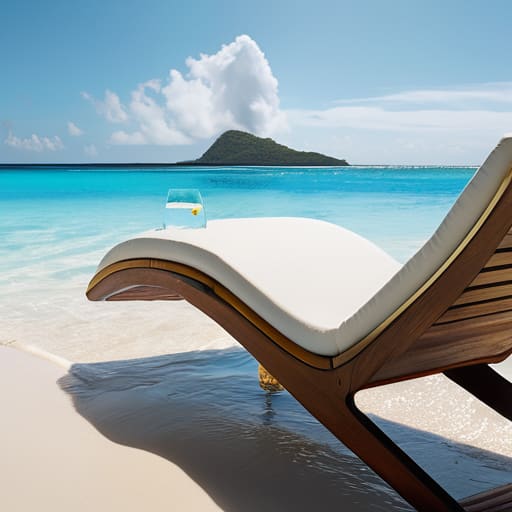
Let’s be real: the sheer number of options can feel a bit overwhelming when you’re staring at a map, trying to decide where to drop your anchor. You aren’t just looking for a beach; you’re looking for a vibe. Some people crave the luxury of high-end oceanfront resort recommendations, where the cocktails are strong and the towels are fluffy. Others, like me, find more joy in the grit and beauty of a remote island travel guide, seeking out those tiny, unnamed sandbars that haven’t been overrun by selfie sticks just yet.
The trick is narrowing down your search based on what actually makes you feel alive. Are you chasing world-class surf breaks, or are you more into lounging under a palm tree with a book? If you want to avoid the tourist traps, I always suggest looking slightly off the beaten path. Instead of hitting the massive hubs, try scouting for spots that prioritize sustainable island tourism. It’s a much better way to ensure that the pristine turquoise waters you’re falling in love with stay that way for the next person lucky enough to find them.
Mastering Your Island Hopping Itinerary Tips
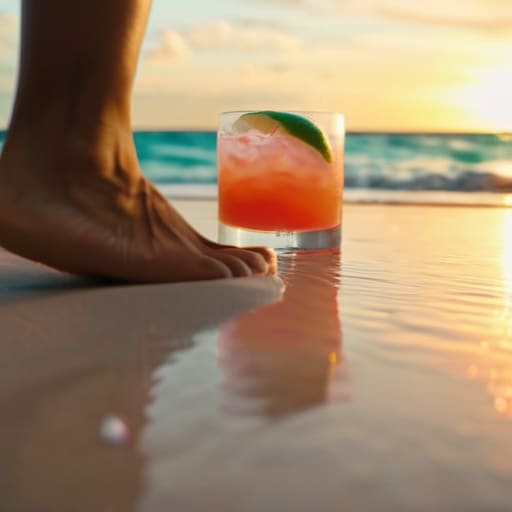
Let’s be real: trying to see five different islands in ten days sounds like a dream until you’re actually stuck in a humid ferry terminal waiting for a boat that’s three hours late. The secret to a stress-free trip isn’t seeing everything, it’s seeing the right things. When you’re putting together your island hopping itinerary tips, prioritize quality over quantity. Instead of rushing through a dozen stops, pick three or four hubs and use them as bases. This gives you time to actually breathe, grab a cocktail, and sink your toes into the sand without constantly checking your watch for the next departure.
Logistics are the silent killer of a good vibe, so plan your transit routes like a pro. If you’re moving between spots, try to group islands that are geographically close to minimize time spent on choppy waters. Also, don’t overlook the importance of packing for tropical climates; you want lightweight, breathable fabrics that can transition from a salty boat ride to a breezy dinner. A little bit of foresight goes a long way in ensuring your trip feels like a vacation rather than a marathon.
Pro Tips for Not Looking Like a Total Tourist
- Pack light, seriously. Most island transfers involve tiny boats or narrow planes where every extra pound feels like a burden, so stick to a versatile capsule wardrobe.
- Respect the local rhythm. Islands often run on “island time,” which means things might move slower than you’re used to—embrace it rather than fighting it.
- Cash is king in the remote spots. While big resorts take cards, that hidden beach shack or local boat captain will almost certainly only take physical currency.
- Protect your gear from the salt and sun. Between the humidity and the ocean spray, your electronics can die a quick death if you aren’t using dry bags.
- Learn a few basic phrases. Even if everyone speaks English, a simple “hello” or “thank you” in the local tongue goes a long way in building real connections with the locals.
The Island Hopper’s Cheat Sheet
Don’t overschedule your days; the real magic happens when you leave room for unplanned boat rides and spontaneous beach finds.
Pack light but smart—focus on breathable fabrics and versatile gear so you aren’t lugging a massive suitcase across sandy shores.
Respect the local rhythm by prioritizing eco-friendly travel and supporting small, island-owned businesses to keep these paradises thriving.
The Real Magic of the Tide
“Island life isn’t about checking a destination off a list; it’s about that specific moment when the Wi-Fi dies, the salt crusts on your skin, and you realize the only schedule that matters is the rising tide.”
Writer
The Horizon is Calling
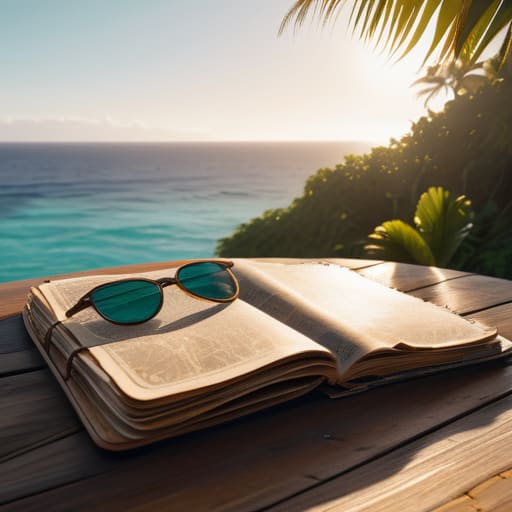
At the end of the day, a successful island getaway isn’t just about ticking off the most famous tropical destinations on a map. It’s about the way you prepare—from picking that perfect, sun-drenched spot to mastering the art of the itinerary so you aren’t spending your whole trip stuck in transit. Whether you’re navigating local ferry schedules or finding that hidden cove far from the resort crowds, the goal is to balance structure with the freedom to wander. Remember, the best memories usually happen when you embrace the unplanned moments between the planned stops.
So, stop overthinking the logistics and start packing the sunscreen. There is a specific kind of magic that only happens when the land ends and the turquoise water begins. Islands have a way of stripping away the noise of everyday life, leaving you with nothing but the rhythm of the tides and the warmth of the sun. Don’t wait for the “perfect” time to go; just chase the horizon and find your own slice of paradise. Your adventure of a lifetime is waiting just beyond the shoreline.
Frequently Asked Questions
What’s the best time of year to visit to avoid hurricane season or monsoon rains?
Timing is everything if you don’t want your beach days ruined by torrential downpours. For the Caribbean and Atlantic islands, aim for the “sweet spot” between December and May to dodge hurricane season. If you’re eyeing Southeast Asia, you’ll want to pivot toward the dry seasons—typically November to April for places like Thailand. Basically, do your homework on the specific region first; there’s nothing worse than booking a tropical getaway only to get stuck indoors.
How much should I realistically budget for inter-island transportation like ferries or small planes?
Here’s the reality check: don’t let the “budget” labels fool you. If you’re sticking to local ferries, you can get away with $20–$50 per leg, which is a steal. But if you want to save time and hop on a small puddle jumper or a seaplane? Budget at least $150–$300 per trip. It adds up fast. My advice? Pick one “big” island to base yourself on and use the expensive flights sparingly.
Do I need to pack extra gear for snorkeling and diving, or can I just rent everything once I arrive?
Honestly, unless you’re a hardcore diver with a specific mask fit you swear by, don’t even bother lugging extra gear in your suitcase. Most island hubs have rental shops on every corner, and the kits are usually decent. Save that precious luggage space for better outfits or souvenirs. The only thing I’d suggest bringing is your own high-quality snorkel mask if you have one—nothing ruins a vibe like a leaky mask mid-reef.
