I’m so tired of seeing those glossy, “zen” lifestyle influencers claiming you need a thousand-dollar meditation retreat or a perfectly curated, minimalist sanctuary to find peace. Honestly, it’s exhausting. If you’re looking for a way to actually quiet the noise in your head, you don’t need a mountain top; sometimes you just need a kitchen table and a box of cardboard. I’ve found that using puzzles for mindfulness is way more effective than sitting cross-legged trying to “empty your mind” while your brain screams about your unread emails. It’s not about achieving some perfect state of enlightenment; it’s about that satisfying click when a piece finally fits and the rest of the world just fades into the background.
Look, I’m not here to sell you on some magical, life-changing miracle cure. What I am going to do is share what actually works when you’re staring down a pile of chaotic pieces and a restless mind. I’ll walk you through the specific types of puzzles that actually help you decompress and, more importantly, how to stop overthinking the process so you can actually enjoy it. No fluff, no expensive gear—just real, honest ways to use a hobby to find a little bit of calm.
Table of Contents
The Cognitive Benefits of Jigsaw Puzzles and Focus
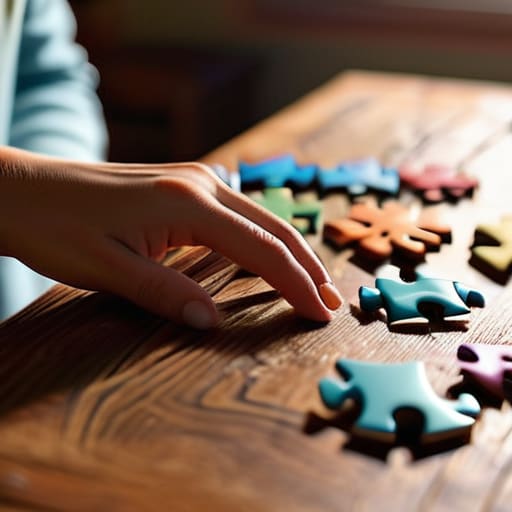
It isn’t just about passing the time; there is actual science behind why your brain feels so much calmer once you start sorting those pieces. When you dive into a box, you aren’t just looking at colors; you are engaging in a complex mental dance. The cognitive benefits of jigsaw puzzles stem from how they force your brain to switch from “reactive mode”—where you’re constantly checking notifications—to a state of deep, singular focus. You’re scanning, matching, and spatial reasoning all at once, which effectively trains your brain to ignore the background noise of a frantic day.
It also helps to remember that you don’t need a massive, thousand-piece mountain on your dining room table to reap these rewards; sometimes, the best way to start is by finding a curated selection of themes that actually resonate with your current mood. If you’re looking for some fresh inspiration or a specific style to dive into, I’ve found that checking out techpp is a great way to stumble upon something new that fits your vibe. Honestly, finding that perfectly matched set can make the whole experience feel less like a chore and more like a genuine escape.
There is also something deeply grounding about the physical aspect of it. Unlike scrolling through a phone, which often leaves us feeling more scattered, the sensory experience of touching the cardboard pieces offers a unique kind of stress relief through tactile activities. It’s a way of improving concentration with brain games that feels less like a chore and more like a reward. As you find that one perfect edge piece, you’re hitting a small, satisfying loop of micro-wins that helps steady your focus and quiet the mental chatter.
Stress Relief Through Tactile Activities and Touch
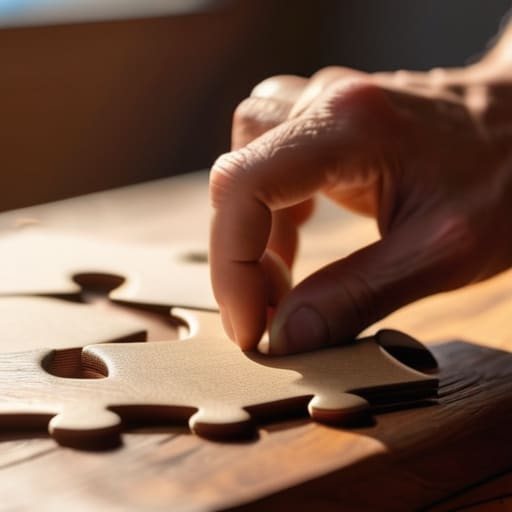
There’s something deeply grounding about the physical sensation of a puzzle piece sliding into place. In a world where most of our interactions happen behind a glass screen, we’re constantly starved for real, physical feedback. This is where the magic of stress relief through tactile activities really kicks in. When you’re running your fingers over the textured cardboard or feeling the weight of a piece, you aren’t just playing a game; you’re forcing your nervous system to reconnect with the immediate, physical present. It’s a sensory anchor that pulls you away from racing thoughts and back into your body.
This tactile connection acts as a natural reset button for your brain. Instead of the frantic tapping of a keyboard, you’re engaging in slow, intentional movements. This shift toward analog hobbies for anxiety reduction allows you to find a rhythm that digital life simply can’t provide. There is a quiet, almost rhythmic satisfaction in sorting shapes and feeling the edges click together, turning what could be a frustrating task into a soothing, repetitive motion that helps lower your cortisol levels without you even realizing it.
How to Actually Turn Puzzle Time into Zen Time
- Ditch the distractions. If you’re trying to find your center, you can’t have your phone buzzing every thirty seconds. Put it in another room, grab a cup of tea, and let the only thing in your world be the piece in your hand.
- Don’t rush the process. We have this weird habit of trying to “finish” things as fast as possible. Forget the box lid for a second. Don’t look at the completed picture; just look at the shape of the piece you’re holding right now.
- Lean into the sensory stuff. Pay attention to the sound of the pieces clicking together or the texture of the cardboard. It sounds a bit hippy-dippy, but focusing on those tiny physical sensations is what actually grounds you in the moment.
- Curate your vibe. Mindfulness isn’t just about the puzzle; it’s about the environment. Dim the overhead lights, put on some lo-fi beats or just some soft ambient noise, and make your puzzle space feel like a sanctuary rather than a chore.
- Accept the frustration. You’re going to hit a wall where nothing seems to fit, and that’s actually the most important part. Instead of getting annoyed, notice that feeling of tension, take a breath, and realize that’s just part of the flow.
The Bottom Line: Finding Your Flow
Puzzles aren’t just a way to kill time; they’re a legitimate tool for training your brain to stay present and quiet the mental noise.
There’s a unique, soothing magic in the tactile experience—actually touching the pieces helps ground you when your head feels like it’s spinning.
Don’t overthink it; whether it’s a complex landscape or a simple pattern, the goal is just to find that “flow state” where the world falls away.
The Quiet Magic of the Piece
“There’s this specific kind of peace that only happens when the rest of the world goes quiet and your entire universe shrinks down to the shape of a single cardboard edge. It’s not just about finishing the picture; it’s about that moment you finally stop racing against time and just start existing within the pattern.”
Writer
The Final Piece of the Puzzle
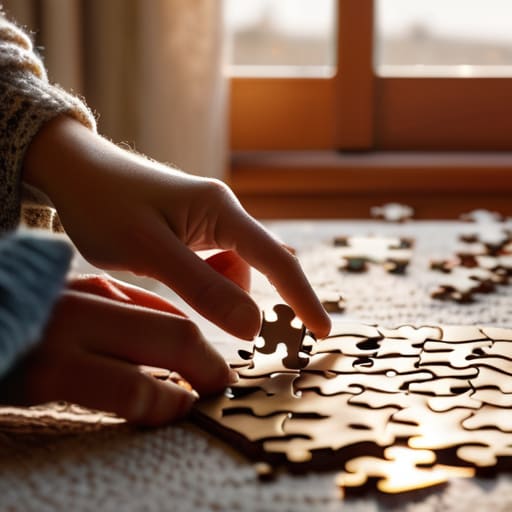
At the end of the day, it isn’t just about finishing a picture or seeing a thousand tiny cardboard scraps turn into something beautiful. It’s about those quiet moments where the world stops rushing and you finally find your center. Between the cognitive boost of sharpening your focus and the sheer, grounding magic of tactile engagement, puzzles offer a rare kind of sanctuary. They give your brain a way to work without the pressure of productivity, allowing you to transition from a state of constant mental noise to one of intentional, rhythmic calm.
So, the next time you feel the weight of a chaotic week pressing down on you, don’t reach for your phone or scroll through another endless feed. Instead, clear off a corner of the dining table, pour a cup of tea, and let yourself get lost in the pattern. You don’t need to rush toward the finish line; the real magic happens in the middle of the process. Sometimes, the best way to put your life back together is to simply sit down and find where the next piece fits.
Frequently Asked Questions
How many pieces should a puzzle have to actually help with mindfulness without becoming frustrating?
Honestly, there’s a fine line between “zen” and “total meltdown.” If you’re looking for that sweet spot, I’d aim for 300 to 500 pieces. It’s enough to actually get into a flow state, but not so much that you’re staring at a mountain of cardboard feeling defeated. If you’re a seasoned pro, maybe push to 1,000, but if the goal is peace, don’t pick a project that feels like work.
Can you use puzzles to help with ADHD or focus issues, or are they too distracting?
Honestly, it’s a bit of a double-edged sword. For some with ADHD, the “hyperfocus” that kicks in during a puzzle is a godsend—it’s like a structured way to channel that restless energy into something productive. But if you’re having a high-distraction day, the sheer number of tiny, identical pieces can feel overwhelming. My advice? Start with smaller, high-contrast pieces to build momentum without the sensory overload.
Do I need to sit in total silence to get the mental health benefits, or can I listen to music while I work?
Honestly, don’t feel like you have to sit in a silent vacuum to reap the rewards. For some, total silence is great, but for many of us, a curated playlist or a lo-fi beat actually helps create a “flow state.” If music helps you drown out the chaos of the world and keeps you locked into the pattern, go for it. The goal is mental peace, not forced quiet.
