I used to think that making a room feel “designer” meant dropping a small fortune on high-end furniture or following those overly curated, sterile Instagram feeds that look more like museums than actual homes. But honestly? Most of that stuff is just noise. I realized the real magic happens when you stop obsessing over expensive floor plans and start focusing on soft textile layers. There is a massive difference between a room that just looks “finished” and one that actually feels like a sanctuary, and usually, that gap is filled with nothing more than a well-placed throw or a heavy linen curtain.
I’m not here to sell you on some complicated interior design theory or tell you that you need to redecorate your entire life. Instead, I’m going to share exactly how I use texture and weight to transform a cold, echoing room into something that feels lived-in and warm. We’re going to skip the fluff and get straight into the practical, hands-on ways you can layer fabrics to create depth without breaking the bank. Consider this your no-nonsense guide to making your space feel as good as it looks.
Table of Contents
Elevating Cozy Living Room Aesthetics
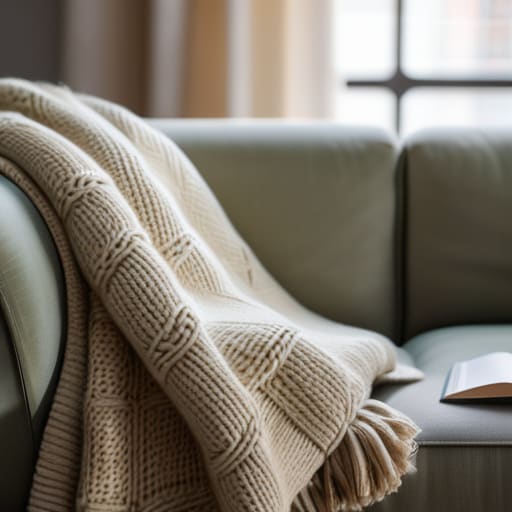
If you want to move beyond just “functional” and into the realm of true cozy living room aesthetics, you have to start thinking about depth. It’s easy to throw a single throw blanket over a sofa and call it a day, but that usually ends up looking a bit flat. The real magic happens when you experiment with mixing fabric weights. Imagine pairing a heavy, chunky knit throw against a smooth linen cushion; that contrast creates an immediate sense of luxury and intention that a single texture just can’t achieve.
To keep things from feeling cluttered or overwhelming, I’m a huge fan of sticking to neutral color palettes for textiles. When you work within a tight range of creams, sands, and soft greys, you can go wild with different textures without the room feeling chaotic. It allows the eye to wander across the different weaves and patterns naturally. Instead of a visual explosion, you get this soothing, layered look that feels curated rather than just “thrown together.” It’s all about finding that sweet spot where comfort meets high-end design.
The Magic of Mixing Fabric Weights
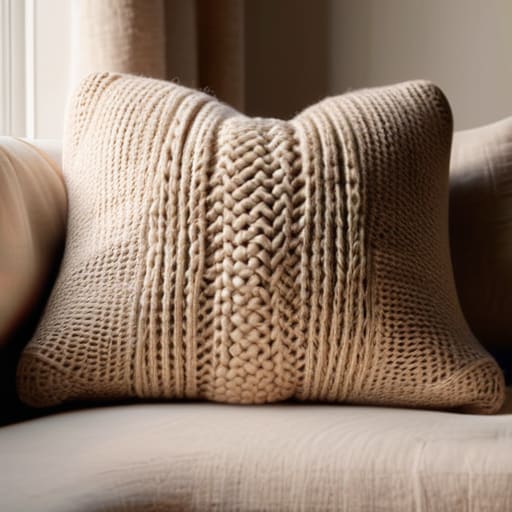
If you’re feeling a bit overwhelmed by all the different textures and patterns out there, don’t sweat it—getting the balance right is a learning process. I actually found a ton of really practical design inspiration over at blogly that helped me figure out how to pair chunky knits with lighter linens without it looking messy. It’s definitely worth a quick browse if you want to see some real-world examples of how these layers come together in a finished room.
If you’ve ever looked at a professionally styled room and wondered why it feels so “expensive” yet effortless, the secret is almost always in the depth. It’s not just about picking pretty colors; it’s about mixing fabric weights to create visual interest. When everything in a room has the same density—like a thin cotton sofa paired with light linen curtains—the space can end up feeling a bit flat or even sterile. To fix this, you want to play with contrast. Think about pairing a chunky, heavy-knit wool throw against a sleek, smooth velvet cushion. That tension between thick and thin is what makes a room feel curated rather than just “bought from a set.”
This approach is one of those tactile home decor trends that actually makes a functional difference in how you live. By layering a heavy boucle pillow over a lightweight cotton slipcover, you’re adding shadows and textures that catch the light differently. It creates a sense of dimension that draws the eye around the room. Instead of a one-note environment, you’re building a multi-sensory experience that feels layered, intentional, and—most importantly—incredibly inviting.
5 Quick Wins for a Layered Look
- Don’t be afraid to play with textures. Throw a chunky knit throw over a smooth linen sofa to create instant visual interest.
- Think about your color palette before you go overboard. Sticking to a cohesive color story keeps the layering from looking like a messy pile of laundry.
- Use pillows to bridge the gap. Mix small, patterned lumbar pillows with larger, solid-colored ones to add depth to your seating.
- Consider the season. Swap out heavy wool blankets for lightweight cotton weaves when the weather starts to warm up.
- Scale matters. Mix different sizes of textiles—like a large area rug paired with smaller decorative floor cushions—to make the room feel lived-in and intentional.
Quick Wins for a Cozier Space
Don’t be afraid to play with textures; mixing a chunky knit throw with smooth linen pillows adds that much-needed visual depth.
Think in layers—start with your base fabrics and keep adding softer, lighter pieces until the room feels lived-in rather than just “decorated.”
Focus on weight to create mood, using heavier textiles for warmth in reading nooks and lighter fabrics to keep airy spaces feeling soft but not heavy.
The Soul of a Space
“A room without texture is just a collection of furniture; it’s those soft, layered textiles that actually turn a house into a sanctuary you can finally breathe in.”
Writer
Making It Your Own
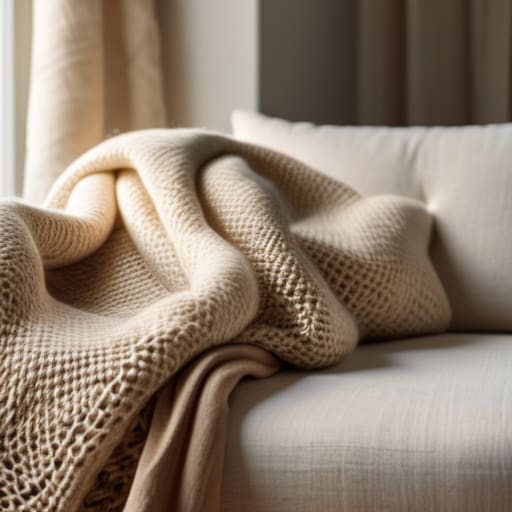
At the end of the day, mastering soft textile layers isn’t about following a strict set of design rules or recreating a showroom floor. It’s about understanding how different textures—from chunky knits to breezy linens—can work together to transform a cold room into a sanctuary. By playing with varying fabric weights and layering different tones, you’ve learned how to add depth and visual interest without cluttering your space. Remember, the goal is to create a sensory experience where every touch feels intentional and every corner feels inviting. It’s all about finding that perfect balance between style and pure, unadulterated comfort.
So, don’t be afraid to experiment and break a few “decorating rules” along the way. Your home should be a living, breathing reflection of your personality, not a static museum piece. Grab that extra velvet throw, toss a few linen pillows onto the sofa, and start building a space that actually feels like you. When you focus on how a room makes you feel rather than just how it looks on camera, you truly unlock the magic of home. Now, go ahead and start layering—your cozy sanctuary is waiting to be discovered.
Frequently Asked Questions
How do I mix different textures without the whole room looking cluttered or messy?
The trick is to stick to a cohesive color palette. If your textures are all in the same family of tones—think creams, oatmeal, or soft greys—you can go wild with chunky knits, velvet, and linen without it feeling chaotic. Think of color as the glue that holds the different “feels” together. Also, leave some breathing room; don’t feel like every single surface needs a layer, or it’ll start feeling heavy.
Are there specific fabrics I should avoid if I want to keep the space looking high-end rather than just "shabby chic"?
To keep things feeling high-end rather than “shabby chic,” steer clear of overly distressed linens or heavy, pilled wools. You also want to avoid anything with a visible, chunky “craft” texture—think frayed edges or loosely spun cotton yarns that look a bit too rustic. To maintain that polished edge, stick to fabrics with a cleaner drape and more intentional structure, like heavy silks, smooth velvets, or tightly woven linens.
How often should I swap out my textile layers to keep the vibe fresh without constantly redecorating?
Honestly, you don’t need to go overboard. I usually follow the seasons: heavy knits and velvet for those chilly months, then swap in breezy linens and light cottons when the sun starts hitting the windows. If you’re feeling a mid-season slump, just change your throw pillows or grab one new textured blanket. It’s a low-effort way to shift the energy without feeling like you’re constantly redoing your entire house.
