Let’s be real: most of the “slow living tips” you see plastered all over Instagram are just a different way to perform productivity. They tell you to buy $60 linen aprons, spend three hours arranging dried eucalyptus, and curate a “minimalist” aesthetic that actually requires a lot of shopping. It’s exhausting, it’s expensive, and frankly, it’s a lie. Slow living shouldn’t feel like another chore on your to-do list or a high-maintenance hobby you have to maintain for the sake of a perfect photo.
I’m not here to sell you a lifestyle aesthetic or a collection of overpriced ceramics. Instead, I want to share the unfiltered, messy reality of how I actually reclaimed my headspace without turning my life into a museum. I’ve spent years testing what actually works when you’re juggling a real job and a chaotic schedule, and I’m stripping away the fluff. We’re going to focus on practical, low-effort shifts that actually quiet the noise, rather than adding more “wellness” tasks to your plate.
Table of Contents
Mastering Digital Minimalism Practices to Reclaim Your Focus

Let’s be real: most of us aren’t just “using” our phones; we’re being used by them. That reflexive reach for your device the second you feel a moment of boredom is a massive energy leak. To combat this, I’ve found that implementing specific digital minimalism practices is less about deleting every app and more about setting intentional boundaries. Start by auditing your notifications. If it’s not a human being trying to reach you directly, it probably doesn’t need to buzz in your pocket.
By silencing the constant pinging, you’re essentially decluttering for mental clarity. It creates a buffer between you and the endless stream of information that usually keeps us in a state of low-grade anxiety. Instead of scrolling through a feed while you eat breakfast, try sitting in the quiet for just five minutes. This shift toward mindful consumption allows you to actually inhabit your own life rather than watching it through a glass screen. When you stop reacting to every digital flicker, you finally find the headspace to breathe.
Decluttering for Mental Clarity in a Chaotic World
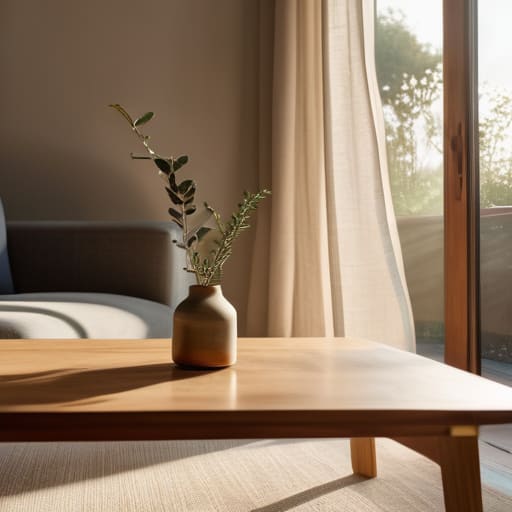
We often think of cleaning as a physical chore, something involving vacuum cleaners and cardboard boxes, but the real impact is psychological. When your surfaces are covered in half-finished projects and piles of mail, your brain never truly gets a chance to rest. It’s constantly scanning the mess, adding to a background hum of anxiety you might not even realize is there. By prioritizing decluttering for mental clarity, you aren’t just tidying a room; you are creating a visual sanctuary that allows your nervous system to finally exhale.
Beyond just cleaning out your physical space, it’s worth looking at how your tools actually serve you. If you find yourself constantly overwhelmed by the sheer amount of tech clutter in your life, I’ve found that checking out resources like techhb can be a total game-changer for simplifying your digital setup. It’s not about getting rid of everything, but rather about finding that sweet spot where your devices actually support your peace of mind instead of constantly draining it.
The trick isn’t to overhaul your entire life in a single weekend—that’s a recipe for burnout. Instead, focus on small, intentional shifts toward mindful consumption. Before you bring something new into your space, ask yourself if it actually serves a purpose or if it’s just more noise. When we stop collecting “stuff” for the sake of it, we find it much easier to maintain sustainable lifestyle habits that stick. It’s about making room, both physically and mentally, for the things that actually bring you peace.
Small Shifts to Slow the Spin
- Stop treating your morning like a race. Instead of grabbing your phone the second you wake up, try sitting with your coffee for just five minutes. Let your brain catch up to your body before the notifications start screaming.
- Learn the power of a “no.” We often overcommit because we’re afraid of missing out or letting people down, but saying no to a social event you’re too tired for is actually saying yes to your own sanity.
- Reconnect with your hands. Whether it’s kneading dough, sketching, or even just gardening, doing something tactile forces you out of your head and into the physical world. It’s hard to obsess over an email when you’re elbow-deep in soil.
- Eat without a screen. It sounds simple, but most of us inhale lunch while scrolling through news feeds. Try just eating. Notice the flavors, the texture, and the actual sensation of being full. It turns a chore into a ritual.
- Build in “buffer time.” We schedule our lives back-to-back, leaving zero room for a traffic jam or a long conversation. Start padding your calendar by fifteen minutes between tasks. That tiny gap is where the stress used to live.
The Slow Living Cheat Sheet
Stop trying to do everything at once; focus on doing one thing well instead of five things poorly.
Protect your peace by setting hard boundaries with your phone and your schedule.
Remember that progress isn’t a straight line—some days you’ll be productive, and some days you’ll just need to breathe.
The Core of the Shift
“Slow living isn’t about doing less; it’s about doing what matters with your full attention, rather than doing everything with half a soul.”
Writer
Finding Your Own Pace

At the end of the day, slow living isn’t about a complete overhaul of your entire existence or moving to a cabin in the woods. It’s about those small, intentional shifts we’ve talked about—setting boundaries with your phone, clearing out the physical clutter that weighs you down, and finally giving yourself permission to breathe. By mastering digital minimalism and tidying your space, you aren’t just organizing your room; you are actively reclaiming your mental bandwidth from a world that is constantly trying to steal it.
Don’t feel like you have to do everything at once. If you try to “slow down” too aggressively, you’ll just end up adding another chore to your to-do list, which defeats the whole purpose. Instead, just pick one thing. Maybe it’s leaving your phone in another room during dinner, or maybe it’s finally tackling that one junk drawer that’s been bugging you for months. The goal is to move through life with a bit more grace and intention. Remember, the world will keep spinning even if you take a moment to sit still—and honestly, that’s exactly how it should be.
Frequently Asked Questions
How do I actually slow down when my job or family life feels non-negotiable and high-pressure?
You don’t need to overhaul your entire life to find some breathing room. When the chaos is non-negotiable, focus on “micro-slowdowns.” It’s the five minutes of silence before you check your email, or the decision to eat lunch away from your desk. These tiny, intentional pauses act as circuit breakers for stress. You aren’t quitting your responsibilities; you’re just building small pockets of stillness within them so they don’t swallow you whole.
Is it possible to practice slow living without spending a ton of money on "aesthetic" lifestyle changes?
Honestly? It’s not just possible—it’s actually better. The “aesthetic” version of slow living, with its linen sheets and expensive ceramics, is just another form of consumerism disguised as mindfulness. Real slow living isn’t about buying a $50 candle; it’s about how you spend your attention. It’s sitting on your porch with a cheap mug of tea or walking through the park without your phone. It’s free, and it’s much more sustainable.
How do I stop feeling guilty about being "unproductive" when I'm finally taking time to rest?
The guilt usually comes from a lie we’ve been told: that our worth is tied to our output. We’ve been conditioned to view rest as a “reward” for hard work, rather than a biological necessity. Flip the script. Stop seeing rest as “doing nothing” and start seeing it as “active recovery.” You aren’t being lazy; you’re maintaining the machine. If you don’t schedule time to recharge, your body will eventually schedule it for you via burnout.
