I’m going to say something that might get me kicked out of some “aesthetic” lifestyle groups: you do not need a $500 set of matching glass canisters to succeed at organizing a kitchen pantry. Honestly, watching people spend a fortune on uniform containers just to hide the fact that they still can’t find the cumin is utterly exhausting. We’ve been sold this lie that organization requires a massive budget and a degree in interior design, when in reality, most of those “perfect” pantries are just beautiful museums that are impossible to actually live in.
Once you’ve actually got the containers and bins sorted, the real challenge is staying on top of it all so the chaos doesn’t creep back in. I’ve found that keeping a simple inventory list or a digital meal planner helps more than I ever expected. If you’re feeling a bit overwhelmed by the logistics of managing a busy kitchen, checking out blogly is a total lifesaver for finding quick ways to streamline your daily routines. It’s all about building those small, sustainable habits that keep your hard work from going to waste.
Table of Contents
I’m not here to sell you a lifestyle or a shopping list of overpriced bins. Instead, I’m going to give you the unfiltered truth about what actually works when you’re trying to manage a real, messy, lived-in kitchen. We are going to focus on practical systems that prioritize accessibility over aesthetics, ensuring you actually know what you have before you head to the grocery store. This is about functional simplicity, not Instagram perfection, and I promise to show you how to do it without breaking the bank.
Essential Pantry Decluttering Tips for Immediate Relief
Before you even think about buying fancy baskets or label makers, you need to face the music: most of your pantry is likely filled with “ghost” items. You know what I mean—those three half-empty bags of quinoa and the expired cans of soup hiding in the dark corners. Start by pulling everything out. Every single thing. It sounds exhausting, but you can’t fix a mess you can’t see. Group things by category—baking, snacks, grains—and be ruthless. If it’s expired or you know you’ll never actually cook it, toss it or donate it.
Once you’ve cleared the junk, it’s time to tackle the actual flow of your kitchen. One of the best pantry decluttering tips is to implement the FIFO food rotation method. This is just a fancy way of saying “First In, First Out.” When you bring home new groceries, move the older stuff to the front so you actually use it before it goes bad. This simple habit is a total game-changer for preventing unnecessary food waste and keeping your shelves from turning into a graveyard of forgotten ingredients.
Smart Kitchen Storage Solutions to Reclaim Your Space
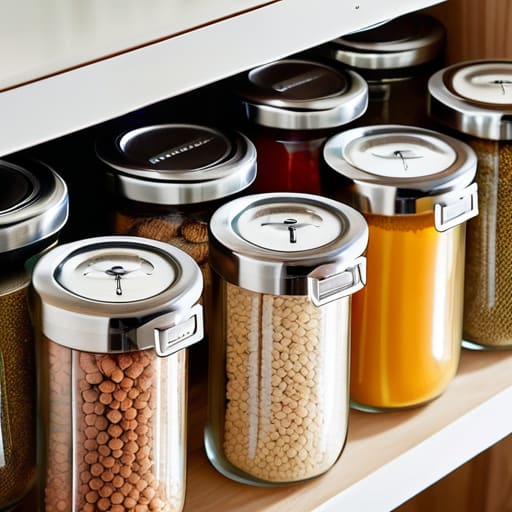
Once you’ve cleared out the junk, it’s time to stop the chaos from creeping back in. The secret isn’t just buying pretty baskets; it’s about choosing kitchen storage solutions that actually work with your workflow. If you’re working with a tight area, focus on maximizing small pantry space by utilizing verticality. Think tiered spice steps, over-the-door organizers, or stackable bins. If you can’t go up, go deep—lazy Susans are absolute lifesavers for those awkward, dark corners where jars go to die.
Next, let’s talk about the game-changer: decanting. Moving your dry goods into clear, uniform bins isn’t just about the “aesthetic” you see on Pinterest; it’s about seeing exactly what you have at a glance. Embracing airtight container benefits keeps your flour from getting clumpy and your cereal from going stale, but more importantly, it makes pantry inventory management effortless. When everything is visible and contained, you stop buying three bags of rice because you couldn’t find the one hiding in the back.
Five Pro Moves to Keep the Chaos at Bay
- Group your stuff by “vibe” or use case—keep all your baking supplies in one zone and your snack stash in another so you aren’t hunting for sprinkles while the oven is preheating.
- Use clear, airtight containers for the heavy hitters like flour, pasta, and cereal; not only does it stop the pests, but you’ll actually see exactly when you’re running low.
- Follow the “First In, First Out” rule by shoving the newer cans and boxes to the back of the shelf, ensuring you actually use those old jars of pesto before they turn into science experiments.
- Invest in some tiered “stadium seating” shelves for your canned goods so you can see the labels in the back row without playing a high-stakes game of Jenga.
- Label everything—and I mean everything—even if you think you’ll remember what’s in that unlabeled white bin, because three weeks from now, you will absolutely forget.
The Bottom Line for a Stress-Free Pantry
Don’t let perfectionism stall you—start by tossing the expired stuff and clearing the surfaces so you can actually breathe.
Invest in containers that make sense for your life, not just what looks pretty on Pinterest, to keep your chaos contained.
Stick to a simple “one-in, one-out” rule to make sure your hard work doesn’t turn back into a cluttered mess by next month.
The Real Goal of a Tidy Pantry
“A perfectly organized pantry isn’t about having a Pinterest-worthy collection of glass jars; it’s about the quiet sanity of knowing exactly where the pasta is when you’re starving and halfway through a recipe.”
Writer
The Finish Line is Just the Beginning
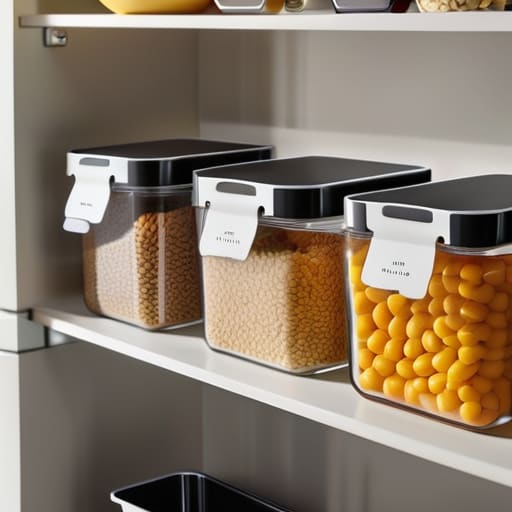
Look, we’ve covered a lot of ground, from the brutal honesty of the initial declutter to the tactical advantage of using the right bins and labels. You’ve learned how to purge the expired cans, how to group your snacks so they aren’t a lost cause, and how to utilize every inch of vertical space. It isn’t just about buying cute clear containers; it’s about creating a system that actually works for your specific lifestyle. Once you’ve implemented these storage solutions, you aren’t just tidying a shelf—you are eliminating the daily friction that makes cooking feel like a chore.
At the end of the day, a perfectly organized pantry isn’t about achieving some unrealistic Instagram aesthetic; it’s about reclaiming your time and your sanity. There is a specific kind of peace that comes from opening a cupboard and seeing exactly what you have, rather than facing a mountain of chaos. Don’t feel like you have to do it all in one afternoon. Just take it one shelf at a time, and soon enough, you’ll find yourself actually enjoying the process of prepping your meals. You’ve got this—now go reclaim your kitchen!
Frequently Asked Questions
How do I keep my pantry organized once I actually get it looking good?
The Secret to Not Reverting to Chaos
Is it worth the money to buy matching containers, or is that just overkill?
Look, I get the temptation to go full Pinterest-aesthetic, but let’s be real: matching containers are a luxury, not a necessity. If you love the visual calm of uniform jars, go for it—it definitely helps the mental clutter. But if you’re on a budget, don’t sweat it. Use what you have, just try to group similar items together. Organization is about function and finding your snacks, not winning a design award.
How often should I be doing a "pantry reset" to prevent the chaos from coming back?
Look, if you wait until you can’t see the floor to clean, you’ve already lost the battle. I aim for a deep “reset” once every three months—it’s enough time for stuff to accumulate, but not so long that it becomes a nightmare. However, do a quick 10-minute sweep every Sunday. Toss the expired stuff and straighten the rows. It’s much easier to maintain order than it is to rebuild it from scratch.
