I used to think that making a room feel “expensive” meant hunting down those ultra-sleek, high-gloss surfaces that look great in a magazine but feel like sitting on a piece of frozen granite. I spent way too much money on minimalist furniture that looked stunning but left me feeling completely disconnected from my own living space. It wasn’t until I realized that a home is meant to be lived in, not just stared at, that I finally started playing around with soft textures to actually bring some soul into my apartment.
Look, I’m not here to sell you on some overpriced, boutique-brand throw pillow that costs more than my grocery bill. I’ve spent years trial-and-erroring my way through different fabrics, weaves, and layers to figure out what actually works. In this post, I’m going to give you the real-world breakdown of how to layer different materials without making your living room look like a cluttered fabric warehouse. No fluff, no designer nonsense—just honest advice on how to make your space feel as good as it looks.
Table of Contents
Mastering Textile Comfort in Interior Design
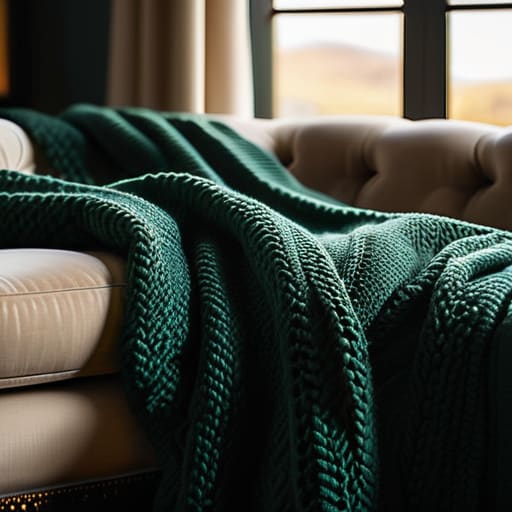
To really nail this, you have to stop thinking about fabrics as just “decor” and start seeing them as a way to layer tactile sensory stimulation into your daily routine. It’s not just about picking a color that matches your rug; it’s about how a heavy knit throw feels against your skin after a long day or the way a velvet cushion catches the light. When you prioritize textile comfort in interior design, you’re essentially building a physical buffer between yourself and the chaos of the outside world.
Start by playing with contrasting weights to keep the room from feeling flat. If you have a sleek, leather sofa that feels a bit too “cold,” break it up with some chunky wool blankets or oversized linen pillows. These kinds of soothing fabric materials act as the connective tissue of a room, turning a sterile showroom setup into a space that actually invites you to sit down and stay a while. It’s those small, intentional layers that turn a house into a sanctuary.
The Magic of Tactile Sensory Stimulation

It’s easy to forget that we don’t just experience a room with our eyes; we experience it with our skin. There is a profound, almost primal connection between what we touch and how we feel emotionally. This is where the magic of tactile sensory stimulation comes into play. When you run your hand over a heavy linen curtain or sink your fingers into a chunky knit throw, you aren’t just interacting with decor—you are sending signals to your nervous system to slow down and settle.
Creating these sensory-friendly living spaces isn’t about luxury for luxury’s sake; it’s about intentionality. By layering different weights and weaves, you create a multidimensional environment that responds to your mood. Think about it: a smooth silk pillowcase feels refreshing on a warm night, while a thick, woollen rug provides that grounding, weighted sensation during a rainy afternoon. It’s these subtle shifts in physical contact that transform a house from a mere collection of furniture into a sanctuary that actually breathes with you.
Quick Wins to Soften Your Space
- Don’t be afraid to layer. Throwing a chunky knit blanket over a sleek leather sofa might feel “too much” at first, but that contrast is exactly what prevents a room from feeling cold or clinical.
- Mix your weights. A heavy, velvet curtain paired with light, airy linen pillows creates a visual depth that makes the room feel lived-in rather than just “decorated.”
- Go for the rug upgrade. If your feet hit hard hardwood every morning, your mood will feel it too. A high-pile shag or a soft wool rug acts like an immediate hug for your feet.
- Check your lighting against your textures. Soft fabrics look best under warm, dim light; harsh overhead LEDs can make even the fluffiest pillow look flat and uninviting.
- Think about the “touch test.” Before you buy, actually feel the material. If it feels scratchy or synthetic in the store, it’s going to drive you crazy when you’re trying to actually relax on your couch.
The Bottom Line
Don’t just decorate for the eyes; design for the touch. A room that looks beautiful but feels cold is a room where nobody actually wants to stay.
Layering is your best friend. Mix up your materials—think heavy knits against smooth linens—to create that lived-in, multidimensional depth that makes a space feel intentional.
Use texture to set the mood. Whether you’re going for high-energy brightness or a low-key sanctuary, the weight and feel of your fabrics will do most of the heavy lifting for you.
## The Soul of the Space
“You can have the most expensive, architecturally perfect room in the world, but if it doesn’t feel soft enough to sink into, it’s just a showroom, not a home.”
Writer
Bringing It All Together
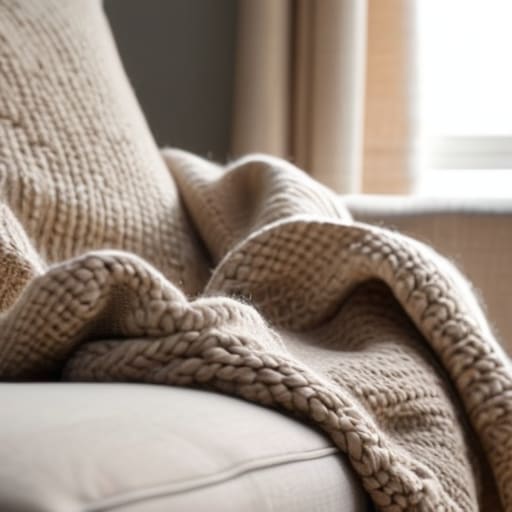
If you’re feeling a bit overwhelmed by the sheer amount of fabric swatches and material options out there, don’t sweat it—it’s easy to get lost in the details. I’ve found that keeping a digital mood board or using a reliable resource like techsly can be a total lifesaver when you’re trying to narrow down which weaves actually complement your existing furniture. It really helps to have a clear visual roadmap before you commit to buying anything, so you aren’t left guessing how that chunky knit throw will actually look against your linen sofa.
At the end of the day, designing a space isn’t just about picking out furniture that looks good in a catalog; it’s about how that space makes you actually feel when you walk through the door. We’ve talked about how layering different textiles can master comfort, how tactile stimulation keeps our senses engaged, and why those soft touches are the secret ingredient to a balanced room. It’s the difference between a house that looks like a showroom and a home that feels like a sanctuary. By focusing on the way materials interact with your touch, you’re moving beyond mere aesthetics and into the realm of true, lived-in design.
So, don’t be afraid to get a little messy with your textures. Grab that chunky knit throw, pile up the velvet cushions, and lean into the softness that makes your life easier. Your home should be a place that softens the edges of a hectic world, providing a gentle landing spot every single evening. When you prioritize comfort and sensory warmth, you aren’t just decorating a room—you are cultivating a lifestyle of peace and intentionality. Go ahead, make it cozy.
Frequently Asked Questions
How do I layer different soft textures without making the room look cluttered or messy?
The secret is all in the “rule of three” and keeping a cohesive color palette. If you’re mixing a chunky knit throw with velvet pillows, try sticking to different shades of the same color family. It keeps things looking intentional rather than chaotic. Also, vary the scales—pair a large, heavy texture with something fine and delicate. It creates depth without the visual noise, making the space feel curated, not just cluttered.
Are there specific fabrics I should avoid if I have pets or kids running around?
Look, if you’ve got kids or pets, you have to be realistic. Stay far away from delicate silks, pure linens, or anything velvet that shows every single stray hair. They’re gorgeous, but they’re a nightmare to maintain. Instead, lean into performance fabrics or tight weaves like microfibers and heavy polyesters. They’re built to take a beating, handle spills, and won’t look like a disaster zone after five minutes of chaos.
How do I mix heavy, cozy textures like wool with lighter materials like linen without it feeling mismatched?
The trick is all about the “bridge.” You can’t just throw a chunky wool throw on a sleek linen sofa and hope for the best; it’ll look like an afterthought. Instead, use a middle-ground element—like a cotton-linen blend pillow or a light knit—to marry the two. Think of it as a gradient. You’re layering weight, not just fabrics, so let the heavy pieces ground the room while the light ones add air.
