I’m so tired of seeing those “luxury wellness” influencers tell you that you need a $200 Himalayan salt lamp and a subscription to a meditation app just to decompress. It’s absolute nonsense. We’ve turned self-care into this expensive, complicated chore, when the most effective warm bath benefits actually come from something far more primal and free. You don’t need a curated “spa experience” to reset your nervous system; you just need a tub, some hot water, and the willingness to actually shut your brain off for twenty minutes.
Look, I’m not here to sell you on some mystical, life-altering ritual that requires a PhD in aromatherapy. I’ve spent years testing what actually works and what’s just marketing fluff, and I’m going to give it to you straight. I’ll be sharing the real-world ways a soak can actually fix your sleep, soothe those nagging muscle aches, and clear your head. No hype, no expensive gadgets—just the honest, no-nonsense truth about how to make your bathtub your most powerful tool for survival in a chaotic world.
Table of Contents
Mastering Hydrotherapy for Stress Relief and Calm
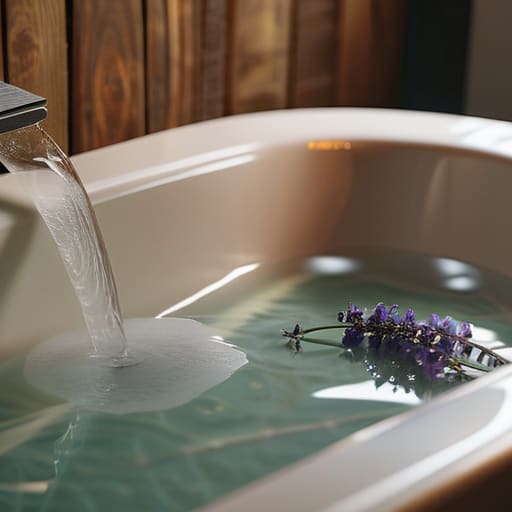
If you want to turn a simple soak into a legitimate wellness ritual, you have to think beyond just turning on the tap. I’ve found that true hydrotherapy for stress relief isn’t just about the heat; it’s about the intentionality behind it. To really level up, try adding a generous scoop of magnesium-rich salts to the water. The epsom salt bath advantages are massive—not only do they help settle a racing mind, but they work wonders for soothing sore muscles after a long day on your feet.
Another pro tip for those nights when your brain simply won’t shut off is to time your soak perfectly. I’ve learned that improving sleep quality with warm water is all about the cooldown. If you step out of the tub about an hour before your head hits the pillow, your body’s natural temperature drop signals to your brain that it’s finally time to drift off. It’s a simple physiological hack that makes a world of difference for anyone struggling with restless nights.
Improving Sleep Quality With Warm Water Rituals
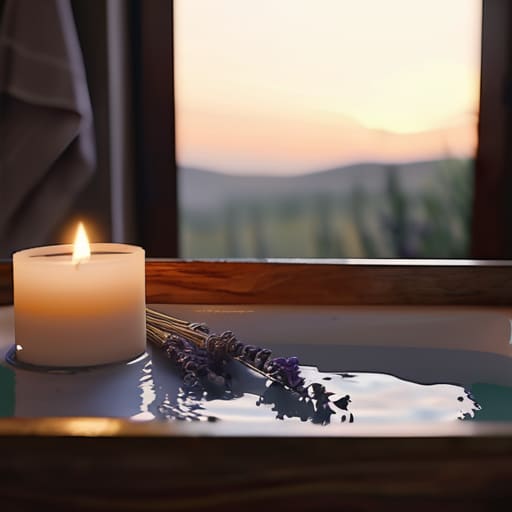
If you’re someone who tosses and turns for hours, trying to force your brain to shut off, you need to look at your evening routine through a different lens. It’s not just about being tired; it’s about temperature regulation for relaxation. When you soak in a hot tub before bed, your core temperature rises, but the magic actually happens when you step out. That rapid cooling process sends a biological signal to your brain that it’s time to wind down, mimicking the natural dip in temperature your body needs to enter deep sleep.
To really level up this ritual, I highly recommend leaning into the epsom salt bath advantages. Adding a handful of magnesium-rich salts to the water does more than just feel fancy; it helps settle your nervous system and works wonders for soothing sore muscles in bath sessions after a long day on your feet. Instead of scrolling through your phone in bed, try making this soak your final act of the day. It turns a simple hygiene habit into a powerful bridge between the chaos of life and a restful night’s sleep.
Level Up Your Soak: 5 Pro-Tips for the Perfect Bath
- Don’t skimp on the temperature. You want it warm enough to relax those tight muscles, but not so hot that you feel lightheaded or leave the tub feeling parched.
- Throw in some Epsom salts. It’s a total game-changer for soothing aches and pains, and honestly, it just makes the whole experience feel a bit more luxurious.
- Ditch the phone. If you’re scrolling through emails or social media, you aren’t actually relaxing—you’re just sitting in hot water while your brain stays wired.
- Set the vibe with lighting. Turn off those harsh overhead lights and grab a few candles instead. It signals to your brain that the workday is officially over.
- Keep a glass of water nearby. Between the heat and the steam, it’s easy to get dehydrated without realizing it, so stay hydrated while you unwind.
The Bottom Line: Making the Most of Your Soak
Don’t treat a bath like a chore; view it as a non-negotiable appointment with yourself to decompress and reset.
Timing is everything—use a warm soak in the evening to signal to your brain that it’s officially time to wind down for sleep.
It’s not just about the water; adding small touches like Epsom salts or dimming the lights can turn a simple rinse into a full-blown therapeutic ritual.
## The Real Magic of the Soak
“A warm bath isn’t just about getting clean; it’s that rare, quiet moment in a loud world where you actually get to check back in with yourself.”
Writer
The Final Soak
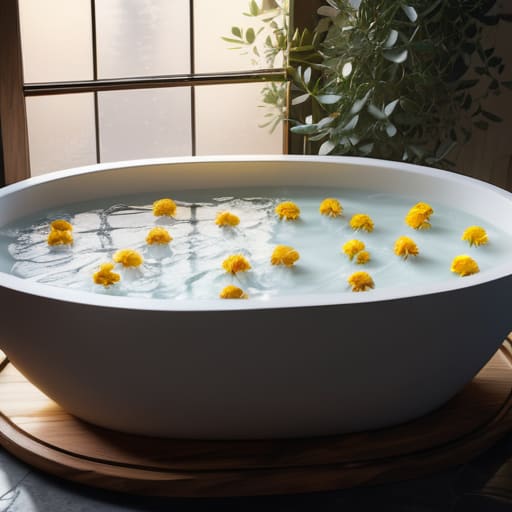
If you really want to level up this experience, I’ve found that it’s all about the little details that turn a standard soak into a full sensory escape. Beyond just the temperature of the water, I always suggest curating your environment with things like dim lighting or even a curated playlist to truly set the mood. For anyone looking to dive deeper into optimizing their daily wellness routines and finding more tools to support a balanced lifestyle, I’ve been spending a lot of time exploring techeslabs, which has some incredibly practical insights for making these small habits stick. It’s those tiny, intentional shifts that make the biggest difference in how you actually feel when you step out of the tub.
At the end of the day, a warm bath is so much more than just a way to get clean; it’s a multifaceted tool for your well-being. We’ve looked at how it acts as a natural stress reliever through hydrotherapy and how those evening rituals can completely transform your sleep quality. Whether you’re using the heat to soothe aching muscles or simply looking to quiet a racing mind, you’re essentially giving your body permission to reset and recover. It’s one of the simplest, most accessible forms of self-care available to us, requiring nothing more than a bit of water and a few minutes of peace.
So, don’t view your next soak as a luxury or a chore you keep pushing to the bottom of your to-do list. Instead, start seeing it as a non-negotiable appointment with yourself. In a world that constantly demands more of our energy, finding those small pockets of stillness is how we stay grounded. Go ahead, dim the lights, grab your favorite salts, and embrace the quiet. You aren’t just soaking in water; you’re reclaiming your peace, one bubble at a time.
Frequently Asked Questions
How long should I actually stay in the bath to get the best results without drying out my skin?
The sweet spot is usually between 15 and 20 minutes. Any shorter and you’re barely hitting that deep muscle relaxation, but if you linger too long, you’ll start feeling that “prune” effect and your skin will feel stripped. To keep your moisture intact, try adding a splash of coconut oil or some Epsom salts to the water, and—this is crucial—slather on a good moisturizer the second you pat yourself dry.
Are there specific essential oils or additives that actually help with relaxation, or is it all just hype?
Look, it’s definitely not all hype, but you have to be intentional about it. If you just dump a random bottle of cheap fragrance into the tub, you’re mostly just scenting the steam. For real results, I swear by high-quality lavender or chamomile oils—but here’s the trick: always mix them with a carrier oil like jojoba or even a bit of coconut oil first. Otherwise, you’re just floating pure essential oil on top, which can actually irritate your skin.
Can I take a warm bath right before bed, or will the temperature spike actually keep me awake?
It’s a bit of a balancing act, honestly. If you jump into a scalding hot tub right before hitting the pillows, that spike in body temperature can actually act like a shot of espresso, leaving you wired. The trick is to aim for “comfortably warm” about 30 to 60 minutes before bed. That way, as you step out, your core temperature naturally drops, which sends a massive “time to sleep” signal to your brain.
