I still remember the first time I tried to “design” a cozy living room using those high-end, ultra-sleek designer catalogs. I spent a fortune on a flat-weave piece that looked stunning in photos but felt like stepping onto a piece of cold, unforgiving plywood every single morning. It was a total disaster. I realized then that most interior design advice completely ignores the actual physical sensation of being in a room. Everyone talks about color palettes and patterns, but nobody tells you that if you aren’t prioritizing warm rug textures, your home is never actually going to feel like a sanctuary—it’s just going to feel like a showroom.
Look, I’m not here to sell you on some overpriced, delicate silk rug that requires a professional cleaning crew every time you drop a crumb. I want to get real about what actually works for a lived-in home. I’m going to walk you through the specific, heavy-hitting textures that provide genuine comfort without the unnecessary fluff or the massive price tag. We’re going to skip the designer hype and focus on the practical, tactile stuff that makes you actually want to kick your shoes off and stay a while.
Table of Contents
Mastering Tactile Home Decor for Ultimate Comfort
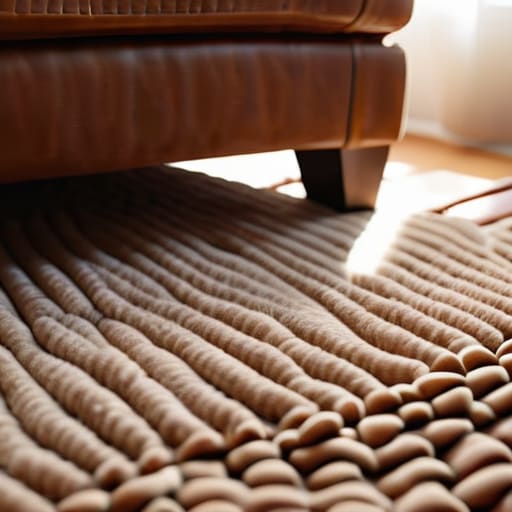
Creating a space that feels “lived-in” isn’t just about picking a pretty color palette; it’s about how the room actually interacts with your senses. This is the heart of sensory interior design. When you walk into a room, your brain registers comfort through touch before you even sit down. If every surface is flat, hard, or sleek, the room can feel clinical and cold, no matter how many candles you light. To break that tension, you need to introduce layers that invite you to kick off your shoes and stay a while.
The easiest way to master this is by playing with depth. Instead of a single, flat weave, try mixing different materials to create a sense of richness. For instance, leaning into shag rug aesthetics can instantly soften the sharp lines of modern furniture, adding a sense of playfulness and ease. It’s about creating a visual and physical landscape where your eyes see softness and your feet feel it too. When you balance these varying heights and densities, you aren’t just decorating a floor—you’re building an atmosphere of pure relaxation.
The Thermal Insulation Floor Coverings You Need
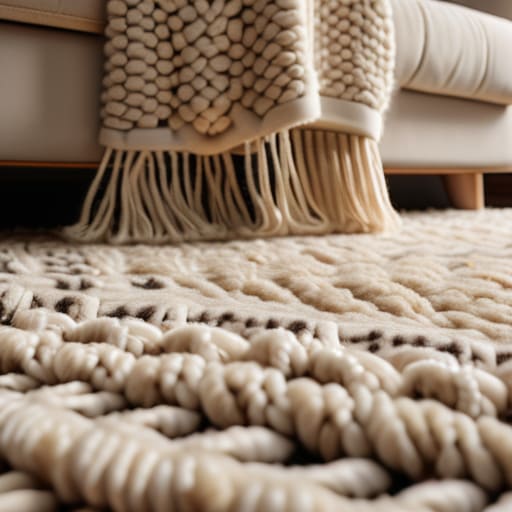
Let’s talk about the practical side of things—because a rug shouldn’t just look pretty; it needs to actually do some heavy lifting when the temperature drops. If you’re tired of that bone-chilling sensation every time your feet hit the hardwood in the morning, you need to look into thermal insulation floor coverings that act as a barrier between you and the cold subfloor. It’s not just about aesthetics; it’s about creating a literal layer of warmth that keeps the heat from escaping through the ground.
But let’s be real, picking the right rug is a lot harder once you actually start looking at material compositions and weave densities. If you’re feeling a bit overwhelmed by all the options, I’ve found that checking out liveshq is a total lifesaver for narrowing down what actually works for your specific space. It’s one of those rare tools that helps you cut through the noise so you can focus on finding that perfect tactile balance without spending hours second-guessing your choices.
This is where you really start to see the high pile rug benefits in action. When you opt for something with significant depth, like a thick shag or a dense wool weave, you aren’t just adding style—you’re trapping air within the fibers. That trapped air acts as a natural insulator, making the room feel several degrees warmer without even touching the thermostat. Whether you’re leaning into shag rug aesthetics for a retro vibe or choosing something more understated, the goal is the same: stop the chill and make your floor a destination rather than a place to avoid.
Pro-Tips for Picking the Right Feel
- Don’t just look at the color; actually run your hand over the fibers. If it feels scratchy or stiff in the showroom, it’s going to feel like sandpaper on your bare feet at 2 AM.
- Layer your textures to avoid that “flat” look. Try placing a smaller, high-pile shag rug over a larger, flatter jute rug to create depth that looks intentional rather than accidental.
- Mind the “crush factor.” High-pile rugs are incredibly cozy, but if you’re putting them in a high-traffic hallway, they’ll look matted and messy within a month. Stick to denser weaves for those busy spots.
- Mix your materials to keep things interesting. Pairing a chunky wool weave with a smooth, silk-blend rug prevents your room from feeling like one big, undifferentiated blob of fluff.
- Think about the “sink” test. When shopping, press down firmly with your hand. You want a rug that offers a bit of springy resistance, not one that feels like you’re stepping into a bottomless pit of cheap foam.
The Quick Cheat Sheet for a Cozier Room
Don’t just look at colors; prioritize high-pile and shaggy textures if your main goal is to physically soften the room and add instant warmth.
Think of your rug as a layer of insulation—thick, dense fibers do more than just look good; they actually help keep your floor temperature stable.
Mix and match textures to avoid a “flat” look, pairing a chunky wool rug with smoother accents to create a space that feels layered and lived-in.
## The Soul of the Room
“You can have the most expensive furniture in the world, but if your feet hit a cold, flat floor the second you step out of bed, the room will never feel like a home. Texture is what turns a house from a showroom into a sanctuary.”
Writer
Bringing the Warmth Home
At the end of the day, choosing the right rug isn’t just about matching your sofa color or checking a trend on Pinterest. It’s about how your home actually feels when you step out of bed on a freezing Tuesday morning. We’ve looked at how layering different textures can transform a sterile room into a sanctuary, and how picking the right materials can literally act as a thermal shield for your floors. Whether you opt for the heavy, reliable comfort of wool or the plush, cloud-like sensation of a high-pile shag, the goal is the same: creating a space that invites you to slow down.
Don’t feel like you have to get everything perfect right out of the gate. Home decor is a living, breathing process, and your floors should evolve alongside you. Start with one piece that makes you smile when you walk into the room, and let that tactile warmth guide your next few design choices. Your home should be more than just a collection of nice-looking things; it should be a sensory experience that hugs you the moment you walk through the door. Go ahead, find that perfect texture, and make your space truly yours.
Frequently Asked Questions
Are high-pile or shaggy rugs actually harder to keep clean in a high-traffic area?
Let’s be real: yes, they are. If you’ve got kids, pets, or just a lot of foot traffic, a shaggy rug is going to be a magnet for crumbs and hair. Those long fibers act like a little trap for everything that falls. If you’re putting one in a hallway or a busy living room, you better be prepared to vacuum more often, or just accept that it’ll never look quite as pristine as day one.
Can I layer a textured rug over my existing hardwood floors without it feeling too bulky or tripping people up?
Absolutely, you can—and honestly, layering is where the real magic happens. To keep it from feeling like a literal obstacle course, the trick is all about the “anchor.” Use a thin, grippy felt rug pad underneath; it prevents the rug from bunching up and keeps it locked to the hardwood. Stick to lower-pile textures for the base layer so you aren’t adding massive height, then layer your plush, cozy texture on top.
Which specific materials, like wool versus synthetic blends, actually hold onto heat better during the winter?
If you’re looking to trap that heat, wool is the undisputed heavyweight champion. Its natural fibers have a built-in crimp that creates tiny air pockets, acting like a thermal layer for your floor. Synthetic blends are great for budget-friendly durability, but they don’t quite have that same insulating magic. If your feet are freezing, go for high-quality wool; it’ll keep the room feeling significantly warmer than any polyester mimic.
