I used to think that traveling for relaxation meant booking a five-star wellness retreat where I’d spend three days sipping green juice and participating in guided meditations. Honestly? That sounds like more work. I once spent a small fortune on a “soul-cleansing” getaway, only to realize I was more stressed by the rigid itinerary and the sheer cost than I was by my actual job. We’ve been sold this lie that peace requires a massive budget and a perfectly curated aesthetic, but usually, that kind of forced tranquility is just another item on your to-do list.
I’m done with the fluff and the Instagram-perfect illusions. In this post, I’m going to share what actually works when you’re traveling for relaxation without losing your mind or your savings. I’ll give you the unvarnished truth about how to actually unplug, from choosing destinations that don’t demand your constant attention to the art of doing absolutely nothing. No luxury gimmicks, no toxic positivity—just real, battle-tested ways to help you finally quiet the noise.
Table of Contents
Embracing Slow Travel Benefits to Reclaim Your Time

We’ve all been there: standing in a three-hour queue for a museum or sprinting between landmarks just to check a box on a list. That isn’t a vacation; it’s just a different kind of work. To actually feel the slow travel benefits, you have to stop treating your itinerary like a military operation. Instead of trying to see ten cities in ten days, try staying in one neighborhood for a week. Learn where the locals get their coffee, sit in the same park every afternoon, and let the rhythm of the place sink in.
This shift in mindset is where the real magic happens. When you stop rushing, you open the door to mindful travel practices that actually lower your cortisol levels. It’s about the quiet moments—the long, unhurried lunches or the afternoon spent reading by a window—rather than the frantic pursuit of “sights.” By choosing depth over distance, you aren’t just visiting a place; you’re finally giving your nervous system the chance to truly reset.
Why Digital Detox Vacations Are the Ultimate Reset
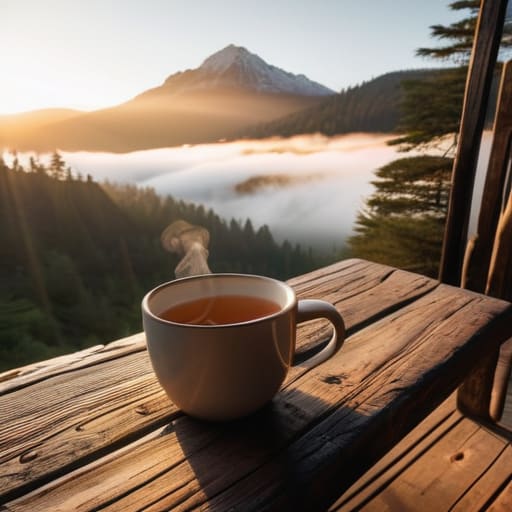
We’ve all been there: sitting on a gorgeous beach in Bali or tucked away in a mountain cabin, yet your eyes are glued to a glowing rectangle, scrolling through emails or checking notifications. It’s a paradox that kills the very point of getting away. This is why digital detox vacations have become such a massive part of current wellness tourism trends. It isn’t just about putting your phone in a drawer; it’s about reclaiming the mental bandwidth that constant connectivity has stolen from us. When you finally sever that invisible tether to the “always-on” culture, something strange happens—the world actually starts to look high-definition again.
Instead of documenting every meal for an audience of strangers, you start actually tasting the food. Instead of filming a sunset to prove you were there, you just stand there and let the colors hit you. Adopting these kinds of mindful travel practices allows your nervous system to finally exit “fight or flight” mode. You aren’t just sightseeing anymore; you’re actually present. That shift from being a spectator through a lens to a participant in your own life is where the real magic happens.
How to Actually Decompress (Without Coming Home More Tired Than You Left)
- Stop over-scheduling your days. If you try to hit five landmarks and three museums in forty-eight hours, you aren’t vacationing—you’re just working in a different zip code. Leave gaps in your itinerary for the unplanned stuff.
- Curate your sensory environment. If you’re looking for peace, skip the hostel with the 2 a.m. techno beat and the city center madness. Sometimes paying a little extra for a quiet room with a view of something green is the best investment you’ll make.
- Ditch the “Must-See” checklist. There is no prize for seeing every tourist trap in the region. If you find a local cafe that has the perfect sunlight and a decent espresso, stay there for three hours. That’s where the real relaxation happens.
- Pack light enough to actually move. Lugging a massive, heavy suitcase through cobblestone streets is a recipe for a backache and a bad mood. If you can’t carry it easily, it’s dead weight that’s going to stress you out.
- Reclaim your mealtime. Don’t eat a sandwich while walking or scrolling through your phone. Sit down, look at the menu, taste the food, and actually be present. Eating is one of the simplest ways to ground yourself in a new place.
The Bottom Line: How to Actually Unwind
Stop treating your vacation like a checklist; the goal isn’t to see everything, it’s to feel something.
Real rest requires setting hard boundaries with your phone—if you’re still checking emails, you haven’t actually left home.
Prioritize quality over quantity by choosing one meaningful experience instead of five rushed tourist traps.
The Real Goal of the Journey
“We spend so much time trying to ‘see everything’ that we forget to actually feel anything. Real travel isn’t about checking boxes on a map; it’s about finally giving yourself permission to just sit still and exist without an itinerary breathing down your neck.”
Writer
The Art of Coming Home

Of course, finding the right destination is only half the battle; the real challenge is often figuring out how to actually structure your downtime so you don’t end up just scrolling through emails in a different time zone. I’ve found that having a bit of a roadmap for intentional living makes a massive difference, which is why I’ve been leaning on bloglabs lately to help me curate better habits and stay focused on what actually matters. It’s been a total game-changer for making sure my trips are about genuine restoration rather than just a change of scenery.
At the end of the day, relaxing through travel isn’t about checking off a bucket list or snapping the perfect photo for a feed. It’s about the intentional shift from doing to being. We’ve talked about the magic of slowing down, the necessity of leaving your phone in the hotel drawer, and how reclaiming your schedule can actually heal your mental state. When you stop treating your vacation like a second job, you finally give yourself permission to actually experience the world instead of just rushing through it.
So, as you start planning your next escape, I challenge you to do something radical: plan for nothing. Don’t overschedule, don’t obsess over the itinerary, and don’t feel guilty for spending an entire afternoon staring at the ocean or reading in a cafe. The most profound transformations don’t happen when you’re sprinting toward the next landmark, but in those quiet, unscripted moments of stillness. Go find your peace, and more importantly, don’t forget to bring a little bit of that stillness back home with you.
Frequently Asked Questions
How do I actually balance my need to see new sights with the goal of staying relaxed?
The trick is to stop treating your itinerary like a grocery list. Instead of trying to check off ten landmarks in a day, pick one “must-see” for the morning and leave the afternoon completely blank. If you find a cozy cafe or a park that feels right, stay there. Real relaxation happens in the gaps between the sights, not in the frantic rush to see them all before sunset.
What are some realistic ways to unplug without feeling like I'm missing out on everything?
The trick is to stop treating “unplugging” like a digital funeral. You don’t have to throw your phone in the ocean; just set some boundaries. Try the “one-app rule”—pick one way to stay connected, like WhatsApp, and mute everything else. Or, schedule specific “check-in windows” so you aren’t scrolling all day. You aren’t missing out on life; you’re actually finally showing up for it. Real life happens when the screen is dark.
Is it possible to find truly relaxing destinations that don't break the bank?
Absolutely. In fact, the most soul-soothing spots are rarely the expensive, manicured resorts. Look toward places where the cost of living is lower—think small coastal villages in Portugal, mountain towns in Georgia, or even just a quiet lakeside rental a few hours’ drive away. When you stop chasing luxury and start chasing stillness, you realize that peace of mind doesn’t actually require a five-star price tag. It’s about the vibe, not the amenities.
